
Last updated November 2, 2026
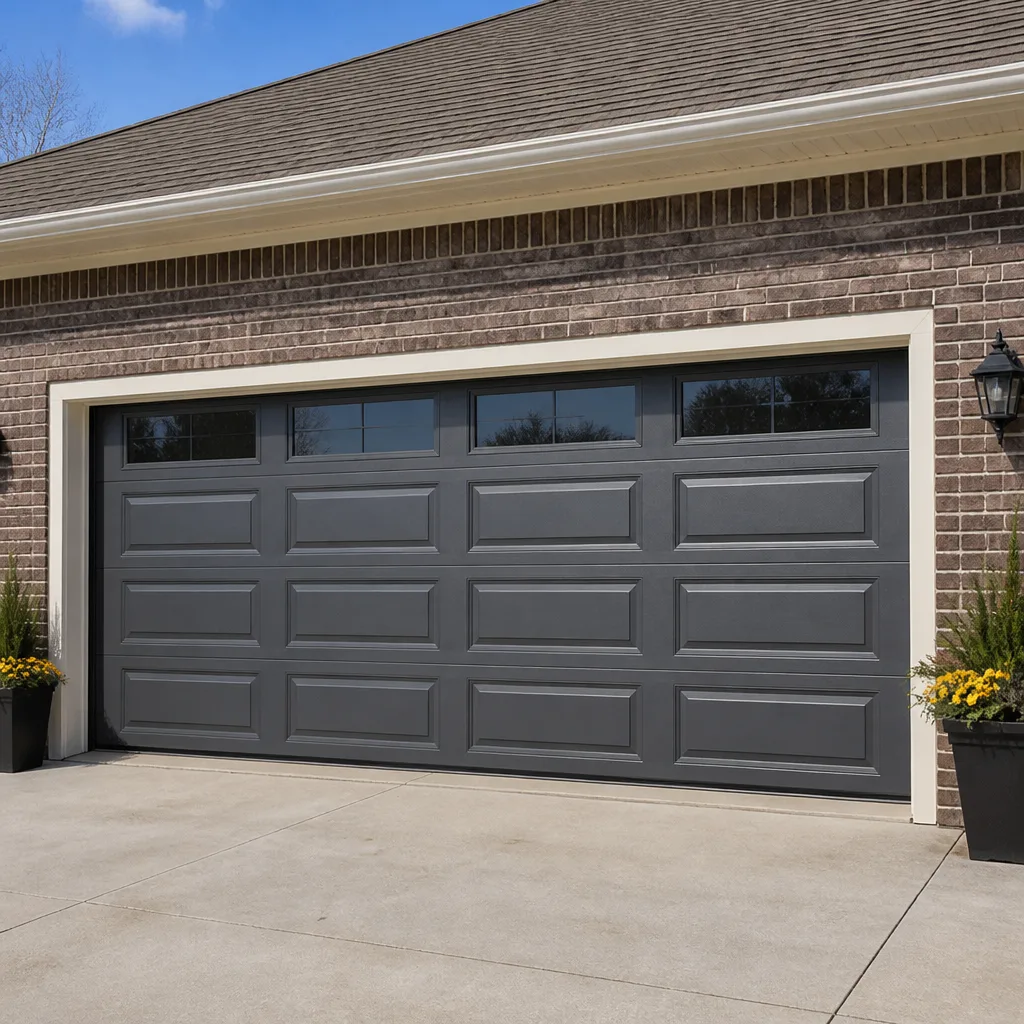 Raised-panel steel
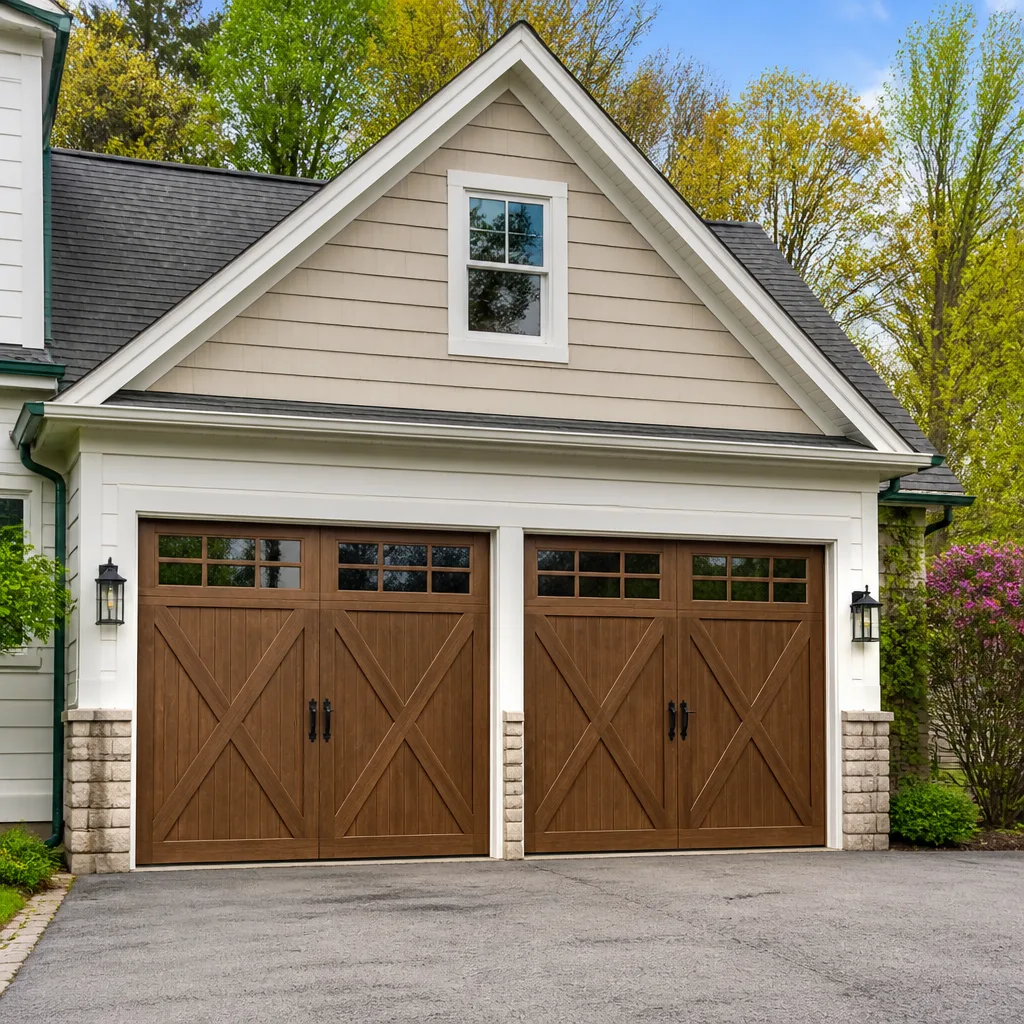 Carriage house
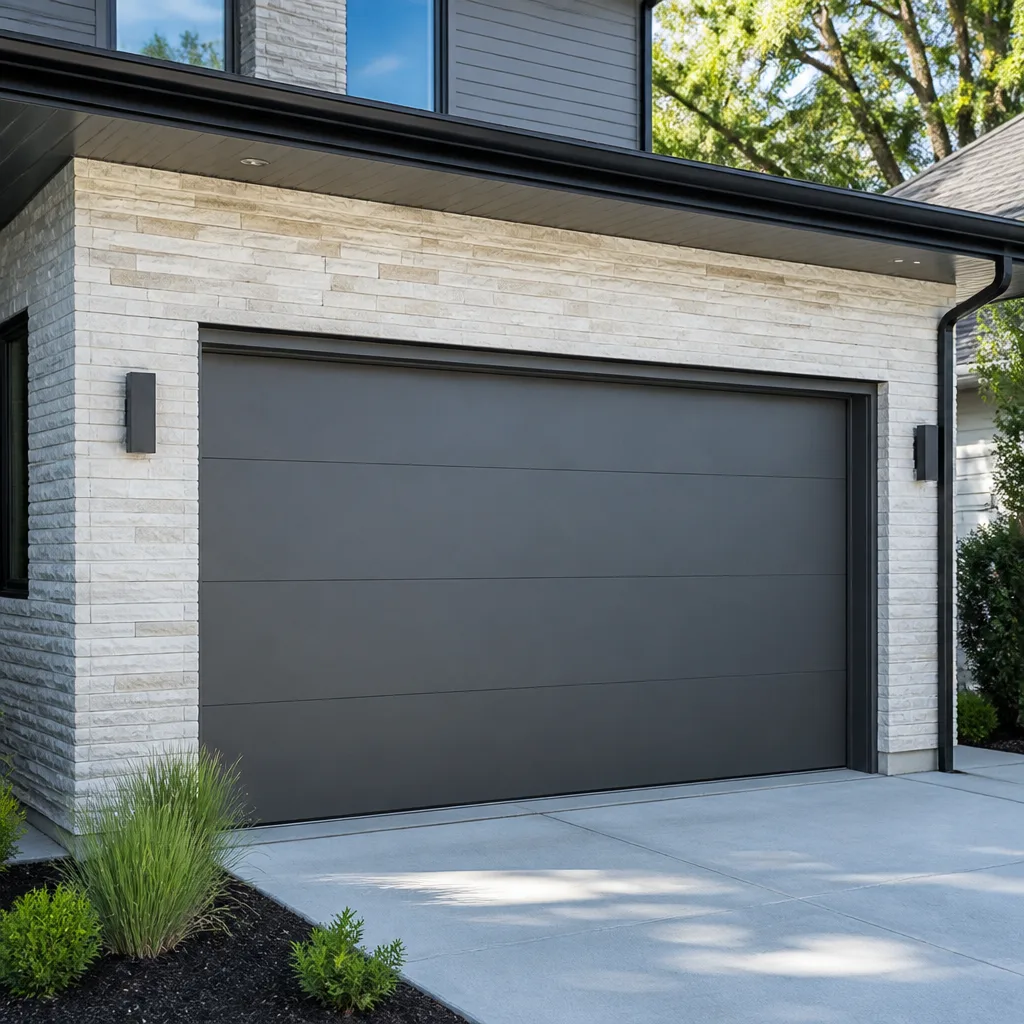 Modern flush
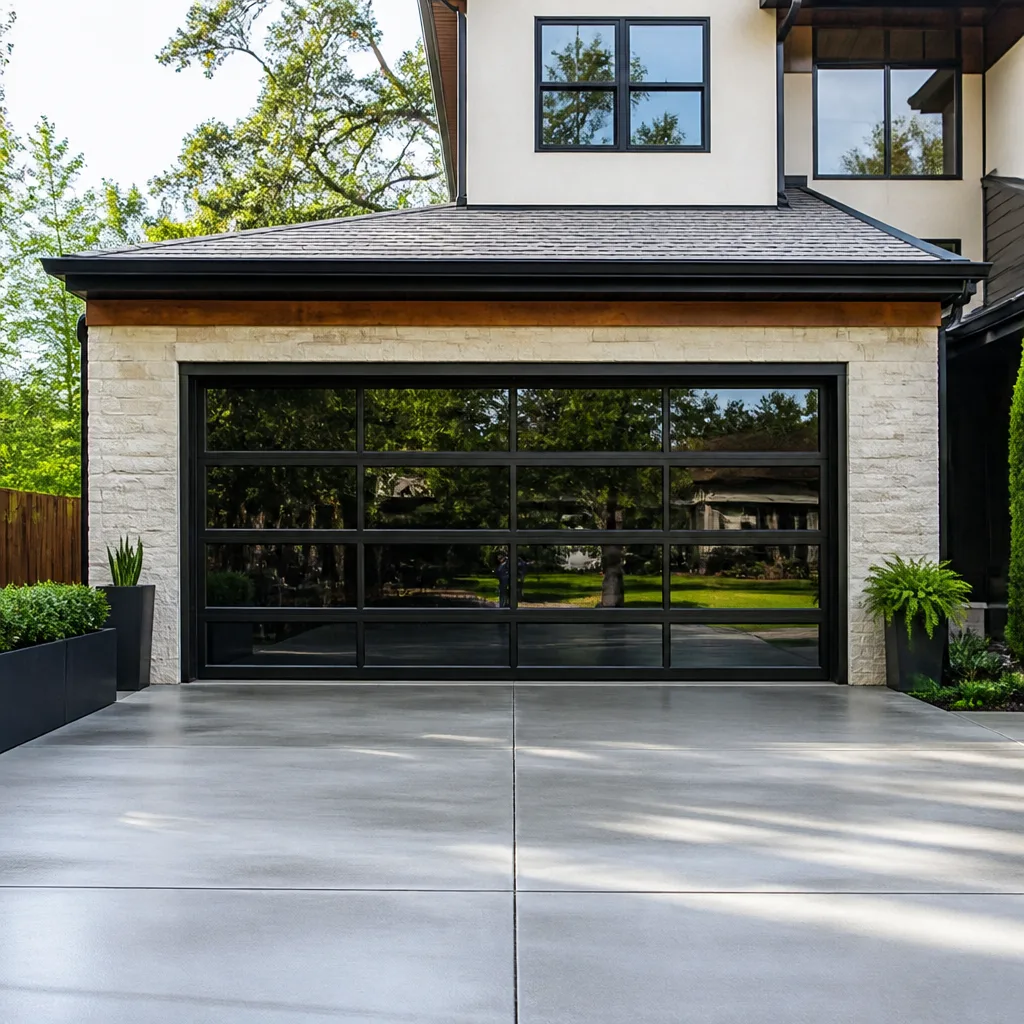 Full-view glass
 LiftMaster openers
 Chamberlain openers
Full 25-point door and opener safety check with every visit - springs, cables, rollers, tracks, and your LiftMaster or Chamberlain opener included
You get a price before we start. It does not change when the truck arrives.
Get your free estimateGarage Door Warning Signs: A Mira Mesa Homeowner’s Reference Guide
Here’s a fact most Mira Mesa homeowners don’t realize until it’s too late: your garage door has been trying to tell you something for weeks. Sometimes months. The grinding, the hesitation, the slight tilt when it closes, the opener that only works when you’re standing three feet away. None of these are personality quirks. They’re mechanical distress signals with specific, identifiable sources. A grinding sound when the door opens isn’t “the garage door being loud.” It’s either a roller bearing failing or a cable drum dragging against a bracket. Those two diagnoses have very different urgency levels and very different repair costs. This guide decodes those signals at the component level, so you know exactly what’s talking, what it’s saying, and whether it can wait until next month or needs attention today. For more guides & resources, see our blog.
Quick Answer
The most common garage door warning signs in Mira Mesa include rhythmic grinding (worn rollers), sudden bangs during operation (torsion spring failure), uneven gaps at the closed position (cable tension imbalance), excessive vibration or rattling on direction change (loose hardware), and opener behavioral changes like unexplained reversing (sensor misalignment or logic board failure). If your door fails the balance test, produces a loud bang, or visibly sags on one side, stop using it and call a professional. Most of these issues are repairable same-day, but ignoring them for weeks typically converts a $150 roller swap into a $400 spring and cable job.
Styles & brands we work with
- Raised-panel steel
- Carriage house
- Modern flush
- Full-view glass
- LiftMaster openers
- Chamberlain openers
Table of Contents
- Sound Diagnosis: What Different Noises Actually Mean
- Visual Warning Signs You Walk Past Every Day
- The Balance Test: Your Door’s Built-In Early Warning System
- Opener Behavioral Red Flags
- The 1-2-3 Urgency Triage
- Common Mistakes to Avoid
- When to Call a Professional
- Frequently Asked Questions
Sound Diagnosis: What Different Noises Actually Mean
Garage doors are noisy machines by nature. But there’s a difference between normal operational sound and the specific pitches, rhythms, and timings that indicate a failing component. In our experience across Mira Mesa, most homeowners normalize sounds gradually, noticing them only when a guest or neighbor comments. Here’s the decoder.
Rhythmic grinding that corresponds with door movement is almost always a roller problem. The steel rollers on older doors, or the nylon rollers on any door that’s seen five or more years of coastal air, wear down their bearings first. When the bearing degrades, the roller stops rolling and starts sliding, grinding against the inside of the track. If you have a Clopay or Amarr door with nylon rollers, this typically develops between years five and eight, faster if the door sees heavy daily use. For help selecting quality replacements, see our guide on Choosing the Right Garage Door Brand: A Buyer’s Guide for Mira Mesa. The sound is consistent, rhythmic, and tied to door position. Fixing this is straightforward: a full roller replacement on most Mira Mesa homes runs roughly $180 to $300 depending on the door size and roller count.
A sudden, explosive bang during operation is the one sound that should send you straight to the phone. That’s a torsion spring snapping under tension. It sounds like a firecracker or a dropped steel pipe. When it happens, the door will not open manually or electronically, the cables may have whipped loose, and attempting to force the door up can be dangerous. Do not try to disengage the opener and muscle the door. That’s a job for a trained technician, and it’s the single most common reason we get called out for Garage Door Repair in Mira Mesa.
Rattling that spikes when the door changes direction means loose hardware. The vertical track brackets, the opener rail, or the hinge bolts have backed out, usually from years of vibration. Tightening these is part of any good maintenance visit and takes minutes. Left alone, a loose track can shift enough to derail the door entirely, jamming the system and bending panels in the process.
There’s also a specific mid-travel “thwack” we hear from opener chains. That’s chain slap, and it means the chain has stretched beyond the tensioner’s ability to compensate. The chain is striking the rail housing as it cycles. Left uncorrected, this accelerates gear wear inside the opener and eventually strips the drive gear, which is a more expensive repair than a simple tension adjustment. It’s especially common on older Chamberlain, LiftMaster, and Craftsman units that have seen ten-plus years of daily cycles.
Sound Quick Reference
- Rhythmic grinding = roller bearing failure. Fixable in one visit. Costs less than most people expect.
- Sudden bang = torsion spring failure. Stop using the door. Call immediately.
- Rattling on direction change = loose track or opener hardware. Tighten early. Ignore at your own risk.
- Mid-travel thwack = chain slap from a stretched opener chain. Address before gear damage occurs.
Visual Warning Signs You Walk Past Every Day
Most Mira Mesa homeowners see their garage door every single day, usually from inside a car, usually in a hurry. It’s easy to miss changes that have developed over weeks, but once you know what to look for, these are hard to miss.
The uneven gap at the floor is the most diagnostic visual signal we see. When the door is closed, look at the bottom edge where it meets the concrete. If one side is touching and the other has a gap of a quarter inch or more, that’s not the concrete settling. Garage door slabs in Mira Mesa are typically level within a half inch. That gap means the cable tension on one side has shifted, either from a failing spring or a cable that has slipped on the drum. The door is now lifting and closing on an angle, which accelerates roller and track wear on the low side. Left for weeks, it can pull the horizontal track out of alignment and the repair expands from a spring or cable adjustment into a track realignment and panel check.
Paint bubbling on the bottom panel is a moisture problem, and it’s more common in coastal communities than people expect. Mira Mesa sits far enough inland that salt air isn’t the primary culprit, but morning marine layer condensation is. If the bottom panel’s steel skin shows bubbling or peeling along the lower six inches, water has gotten behind the paint and is rusting the metal from the inside out. Wayne Dalton doors with steel construction are particularly prone to this if the bottom weather seal has degraded, allowing moisture to wick upward. The fix is a new bottom seal, plus addressing the rust before it spreads. If caught early, the panel can often be spot-treated. If ignored, the panel eventually loses structural integrity and replacement becomes the only option.
Daylight at the top corners is a track alignment signal. Close the door and stand inside the garage with the lights off. If you can see faint light at the upper corners where the door meets the jamb, the track has shifted outward. That’s often from years of minor side-load stress or from the door swinging slightly as it travels. Doors don’t just settle. When that gap exists, the rollers are no longer tracking true, and every cycle is levering against the top brackets.
The Balance Test: Your Door’s Built-In Early Warning System
Here’s a test every Mira Mesa homeowner should run twice a year, and it takes less than a minute. Pull the red emergency release handle on your opener, which disengages the door from the drive system. Then manually lift the door to the halfway point and let go.
A healthy, properly balanced door will hold its position at halfway. It might drift an inch or two. That’s acceptable. A door that creeps up slowly means the springs are wound too tightly, which is uncommon but happens after incorrect spring replacements. A door that falls or sinks quickly at the halfway point means the springs have lost tension. That’s the more common scenario, especially on doors that are seven to ten years old with original springs. Torsion springs are rated for a specific number of cycles, usually 10,000. Most Mira Mesa households with two daily cycles approach that number right around the seven to nine year mark. When the balance test shows a falling door, the spring is in its final stretch. You likely have weeks, not months. Scheduling a spring replacement proactively is always cheaper than emergency replacement after a failure.
- Close the door fully.
- Pull the red emergency release cord.
- Lift the door manually to the halfway point.
- Release your grip and step back.
- Observe: holds steady = good. Creeps up = over-tensioned. Falls = failing spring.
If the door drops hard or you feel resistance and hear grinding while lifting manually, stop the test. Those are separate signals that deserve professional attention before any further use.
Opener Behavioral Red Flags
The opener is the brain of the system, and it gives off its own set of behavioral signals that are easy to mistake for remote battery problems or “glitches.” Here’s what actual diagnostic patterns look like.
Reversing for no apparent reason is the most common opener complaint in Mira Mesa. The door starts to close, gets partway down, then reverses back to open. Most people blame the safety sensors, and sometimes that’s correct: the sensors near the floor can get knocked out of alignment by a kicked shoe, a broom, or a garbage can lid. But if the sensors are properly aligned and the door still reverses intermittently, the problem shifts upward to the logic board. We see this on Genie, LiftMaster, and Chamberlain units across Mira Mesa, particularly as units pass the eight-year mark. Capacitors on the board degrade, resistance values drift, and the unit begins misreading the sensor circuit as an obstruction. A new sensor set fixes the mechanical version. A board-level problem usually means opener replacement, which is something to discuss with a specialist who works on the brand you own.
Grinding without movement is a stripped gear, plain and simple. The motor spins, the gear should engage, and nothing happens except a nasty grinding noise. On Chamberlain and Craftsman openers, the drive gear inside the motor head is nylon by design, and it’s meant to fail before the motor burns out. It’s a sacrificial part. The fix is a gear replacement, which is economical on a mid-life opener. If the unit is older and showing other behavioral quirks, replacement starts to make more financial sense.
Remote range degrading over time is the sneakiest signal. Remotes that once opened the door from two houses away now only work from the driveway. The first suspect is the battery, but if fresh batteries don’t restore range, the problem is almost always the opener’s receiver or antenna. In a Mira Mesa neighborhood with dense Wi-Fi networks, LED bulbs in the opener, and neighbor opener interference, an aging receiver can lose effective range in months. If the remote works perfectly from close range but fails from distance, that’s a receiver issue, not a remote programming issue.
The 1-2-3 Urgency Triage
Not every warning sign is an emergency. Here’s the triage system we recommend to Mira Mesa homeowners, organized by how quickly you need to act.
Level 1: Stop Using the Door Today
- Torsion spring failure: loud bang, door won’t open, cables loose. Every further attempt to lift the door risks damage to panels, tracks, or the opener. Call a professional before touching the release handle.
- Cable off the drum: you’ll see a loose cable snaking alongside the track. The door is no longer under balanced tension. Attempting to cycle it can turn a simple cable re-seat into a broken panel.
- Door falls during the balance test: this means the spring is failing or has failed. It’s the precursor to the bang, not a wake-up call. Act before the loud noise happens.
Level 2: Schedule Repair This Week
- Grinding rollers: the door still works, but every cycle is causing incremental wear. You’re approaching the point where a seized roller can jump the track.
- Uneven floor gap: the cable tension imbalance will worsen with each cycle. The longer it runs, the more likely the track misalignment becomes the primary repair.
- Opener reversing intermittently: if it’s not a sensor alignment issue, it’s a board beginning to fail. It may work for another month or two, but downtime never happens at a convenient time.
Level 3: Add to Your Next Maintenance Visit
- Loose hardware rattling: a quick tightening during routine service. Address it before the track shifts.
- Chain slap: a tension adjustment during regular maintenance. Easy fix if caught before gear wear.
- Weather seal wear: if the bottom seal is cracked but water intrusion hasn’t started, replace it at your next service. Cheap insurance for the bottom panel.
Common Mistakes to Avoid
- Lubricating a grinding roller and calling it fixed. If the roller bearing is the problem, oil masks the symptom for a week while the metal continues to grind. The grinding comes back. The roller still needs replacement.
- Assuming the concrete settled. When one side of the closed door touches and the other doesn’t, the slab didn’t move. Your cable tension did. A level check will confirm it, but the door’s behavior already told you.
- Replacing the opener when the door is the problem. If the door is heavy or binds, a new opener will work harder to move it and fail sooner. We see newer openers burning out on older, neglected doors regularly in Mira Mesa. Diagnose the door first.
- Ignoring a bang because the door still opens. Sometimes a spring breaks but the door still moves if the second spring holds. That puts double load on the surviving spring, which then fails months earlier than it would have. The bang is never a false alarm.
- Tightening track bolts without checking alignment. If the track has shifted, tightening it in place locks in the misalignment. The result is a door that binds and rollers that wear unevenly. Alignment first, then torque.
- Calling a generalist for a door that already has one foot in the grave. A door with multiple developing signals needs component-level diagnosis, not a visual inspection by someone who splits their day across five trades. That’s the difference between replacing a roller and replacing a panel.
When to Call a Professional
Most of the repairs discussed in this guide involve high-tension springs, cables under load, or the intersection of both. That’s not work to tackle on a weekend. Torsion springs are wound under enough tension to cause serious injury if handled incorrectly, and cables that slip during DIY attempts have broken fingers and panels. If you’ve run the balance test and the door drops, that’s a professional call. If you’ve heard the bang, that’s a professional call. If the opener is reversing and the sensors are aligned, that’s one too. Garage Door Repair Mira Mesa offers free estimates in Mira Mesa, and we’ll tell you honestly whether the door or opener is worth repairing or replacing. Not sure where to start? Read our guide on How to Hire a Garage Door Contractor in Mira Mesa: A Step-by-Step Guide. Call (833) 620-4120 and describe the sound, the behavior, or the visual signal you’re seeing. We’ll tell you what it means before we ever schedule the visit.
Frequently Asked Questions
A door that fails the balance test, dropping below the halfway point when released manually, is the clearest early indicator. You may also notice the door feels heavier during manual operation or hear a creaking sound from the spring itself as it cycles. Mira Mesa doors that see two cycles daily typically reach spring fatigue between years seven and nine. Call (833) 620-4120 for a balance check and spring assessment before the loud bang forces the issue.
Grinding during door travel means a roller bearing has failed and the roller is sliding against the track instead of rolling. It’s a Level 2 urgency repair in the triage above. The fix is roller replacement, not lubrication, and the longer it runs, the more likely the worn roller damages the track. Estimates are free.
You can use it, but you shouldn’t. The surviving spring is now carrying the full door weight, which accelerates its own fatigue and shortens its remaining lifespan. The opener motor is also working harder, which increases the chance of a secondary failure. Stop using the door and call a specialist before the second spring goes.
The first check is the safety sensor alignment near the floor. If the sensors are properly aligned and the door still reverses intermittently, the logic board in the opener is likely misreading the sensor circuit. That’s common on units over eight years old. A specialist can determine which component is actually failing before you buy parts you don’t need.
Spring replacement in Mira Mesa typically runs $250 to $450 for a standard torsion spring pair, including labor, depending on the spring size, cycle rating, and door weight. The exact quote is agreed before any work starts. Call (833) 620-4120 for a free estimate specific to your door, brand, and spring configuration.
Not every noise is dangerous, but every noise is diagnostic. A rhythmic grinding indicates roller wear, which can escalate to a derailed door. A bang is a spring failure, which is immediately dangerous. A rattle is loose hardware, which can lead to misalignment. The sound itself isn’t the threat, but ignoring it means whatever is causing the sound gets worse while you wait.
The Bottom Line
Your garage door talks. In Mira Mesa, where most homes run the door twice a day year-round, the components are on a countdown timer from the day they’re installed. Springs fatigue, rollers wear, cables slip, sensors misread. The door tells you about each one with a sound, a gap, or a behavior. The balance test catches spring failure weeks before it happens. The uneven floor gap catches cable problems before they become track problems. The reversing opener catches board failure before it becomes a dead opener. None of this information is hidden. It’s all visible and audible. You just have to know what you’re looking at. If you don’t, call someone who does. We work on the brand you already have, whether it’s a Clopay, Amarr, Wayne Dalton, or Craftsman. Repair or replace, we’ll tell you honestly which makes sense.
Written by the team at Garage Door Repair Mira Mesa, serving Mira Mesa since 2012.
See the difference
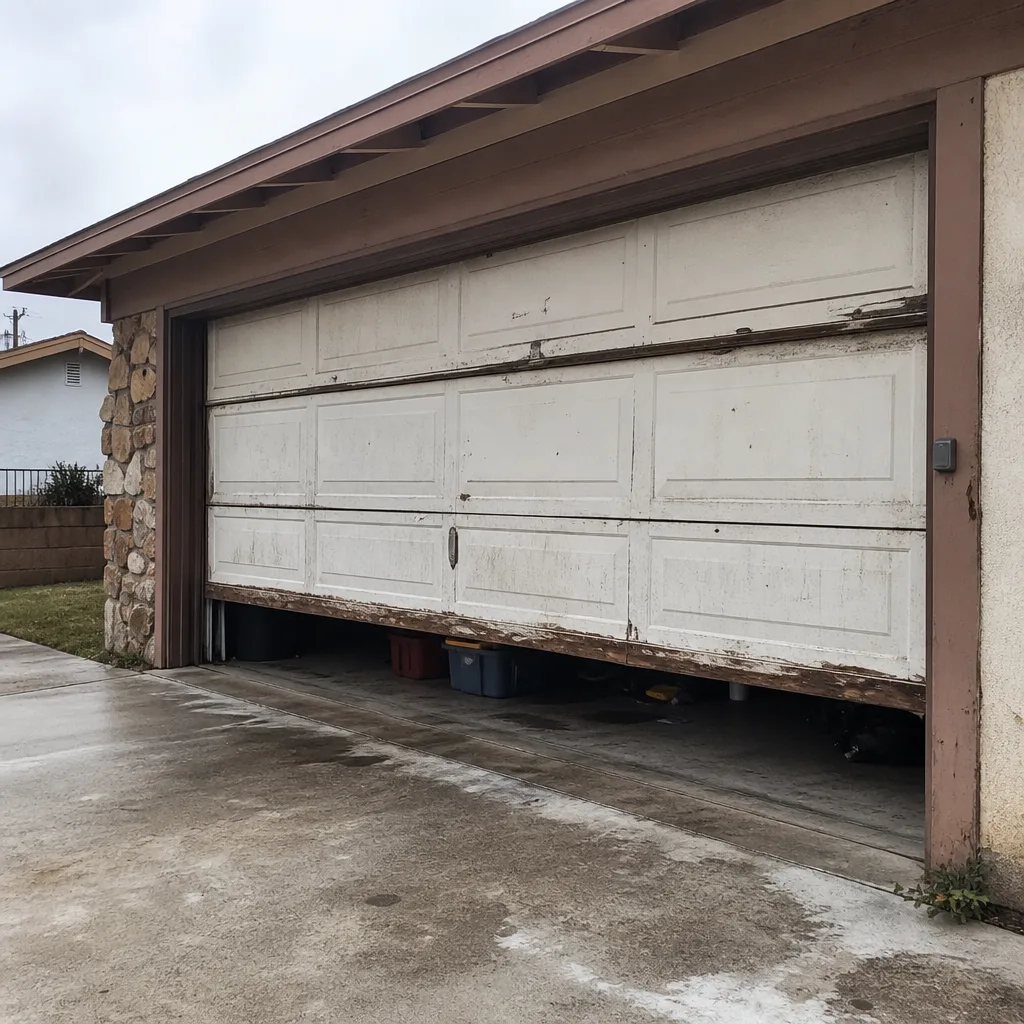 Before
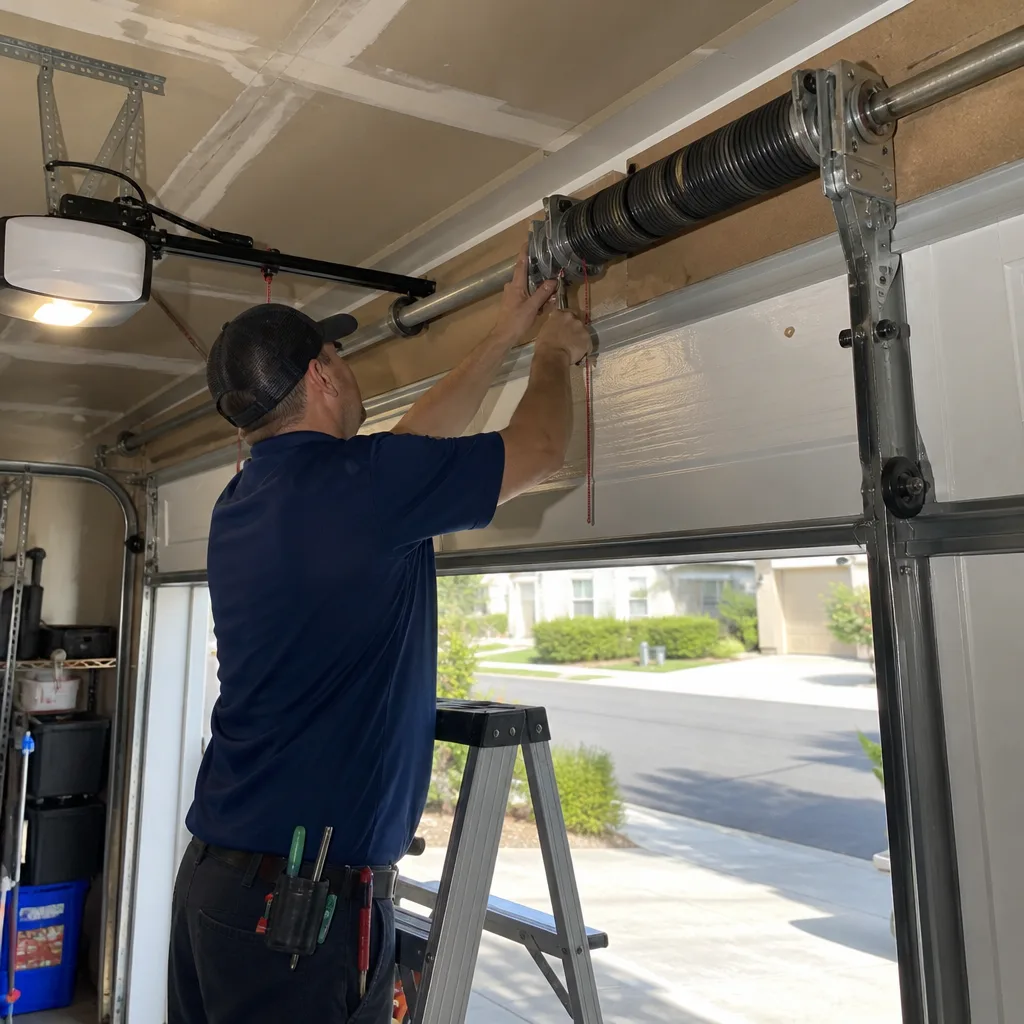 After
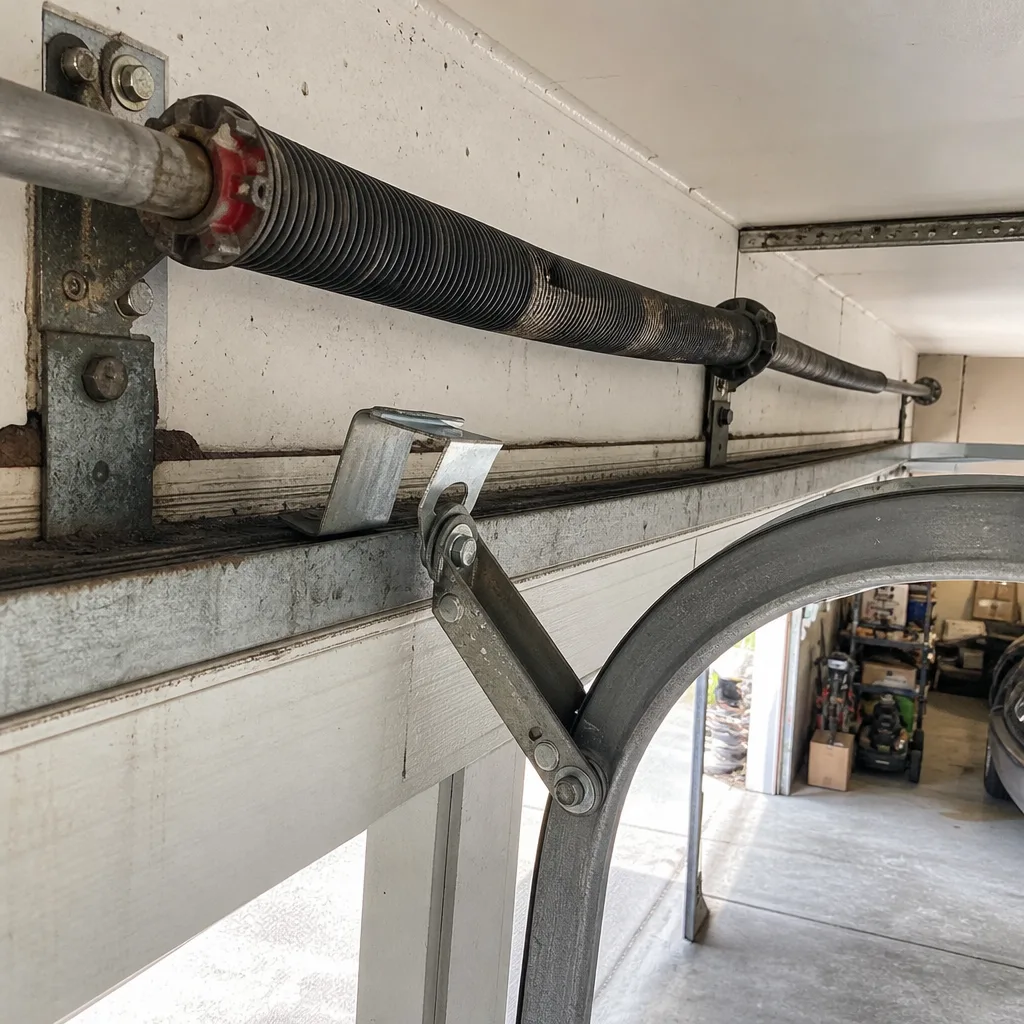 Before
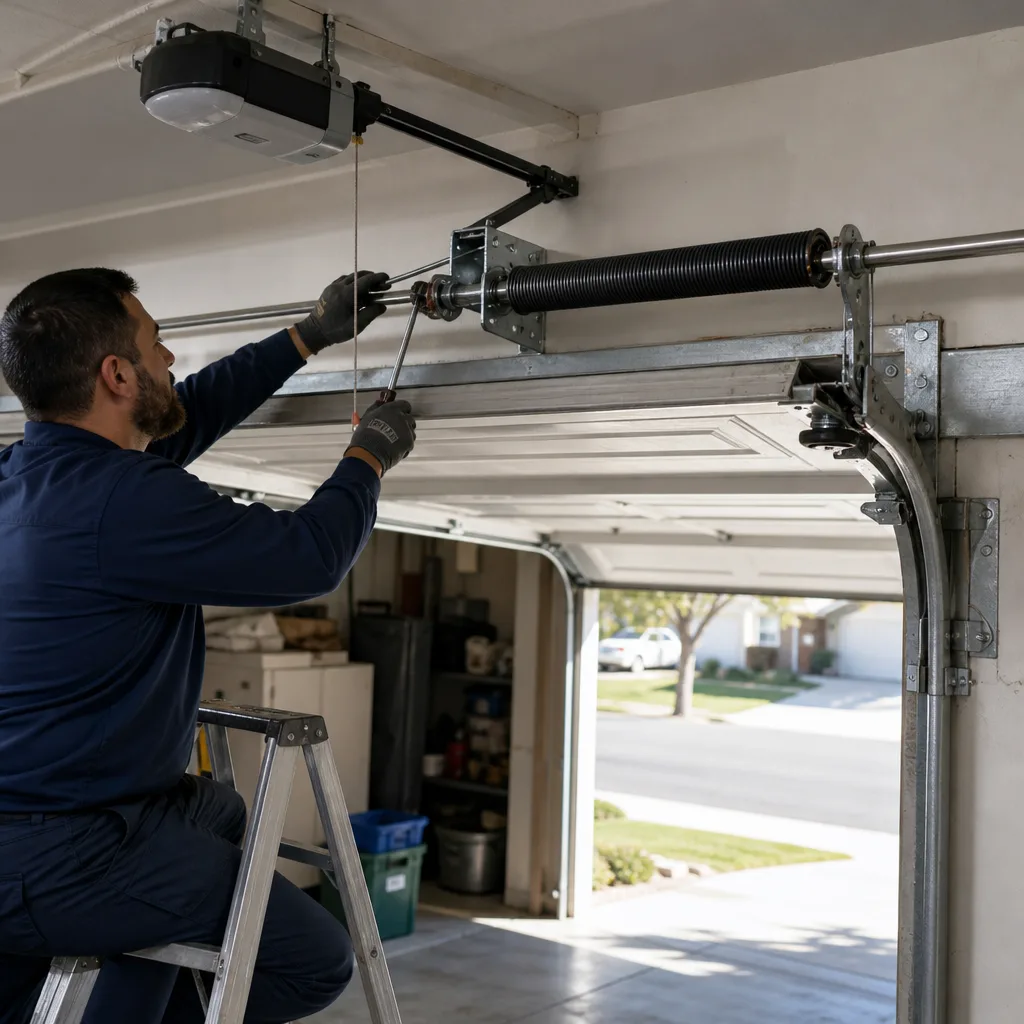 After
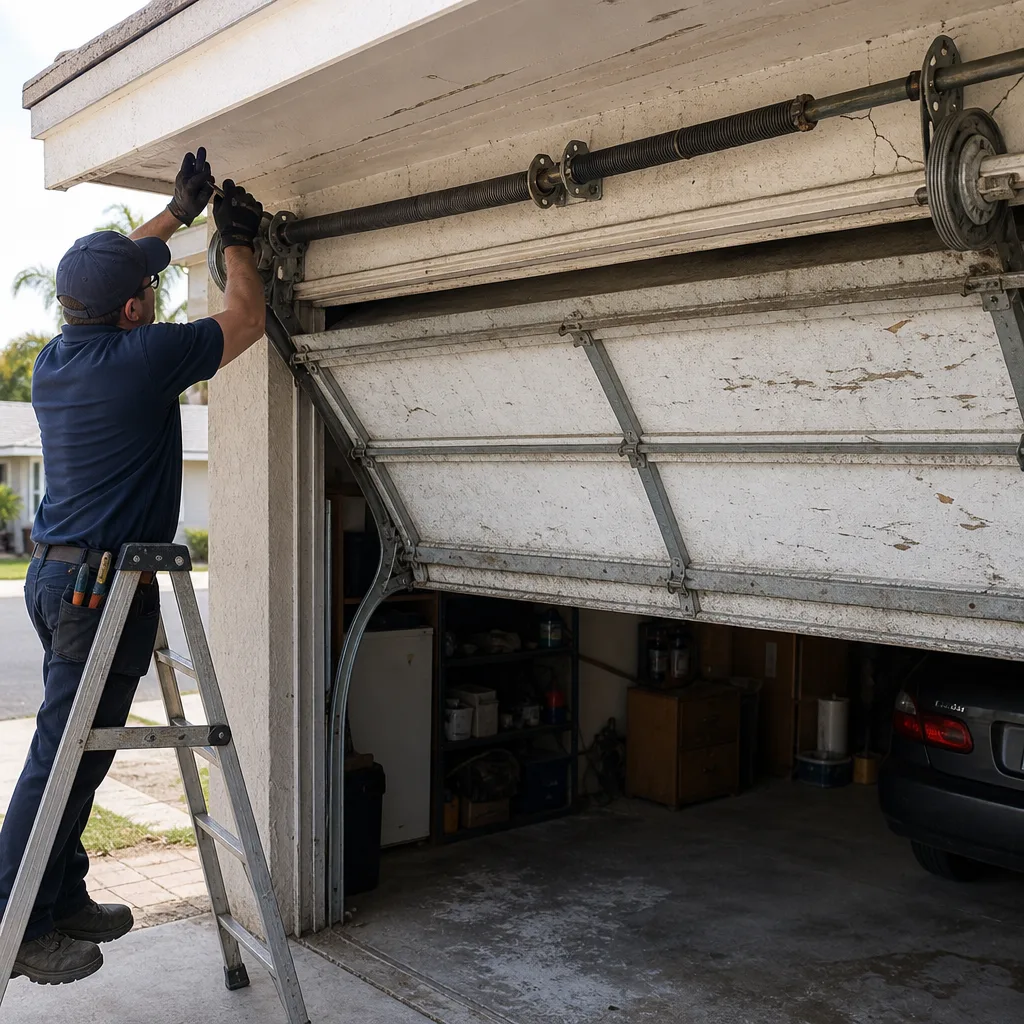 Before
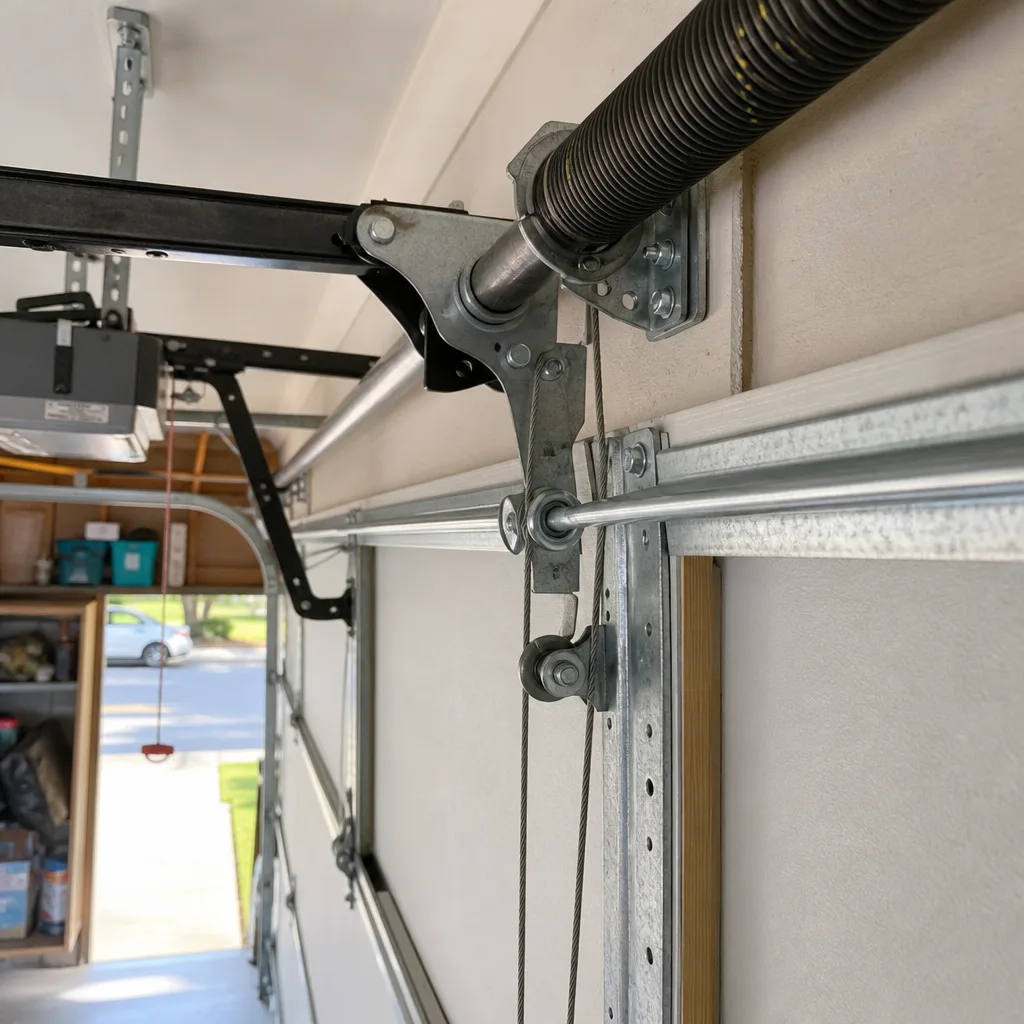 After