
Last updated November 2, 2026
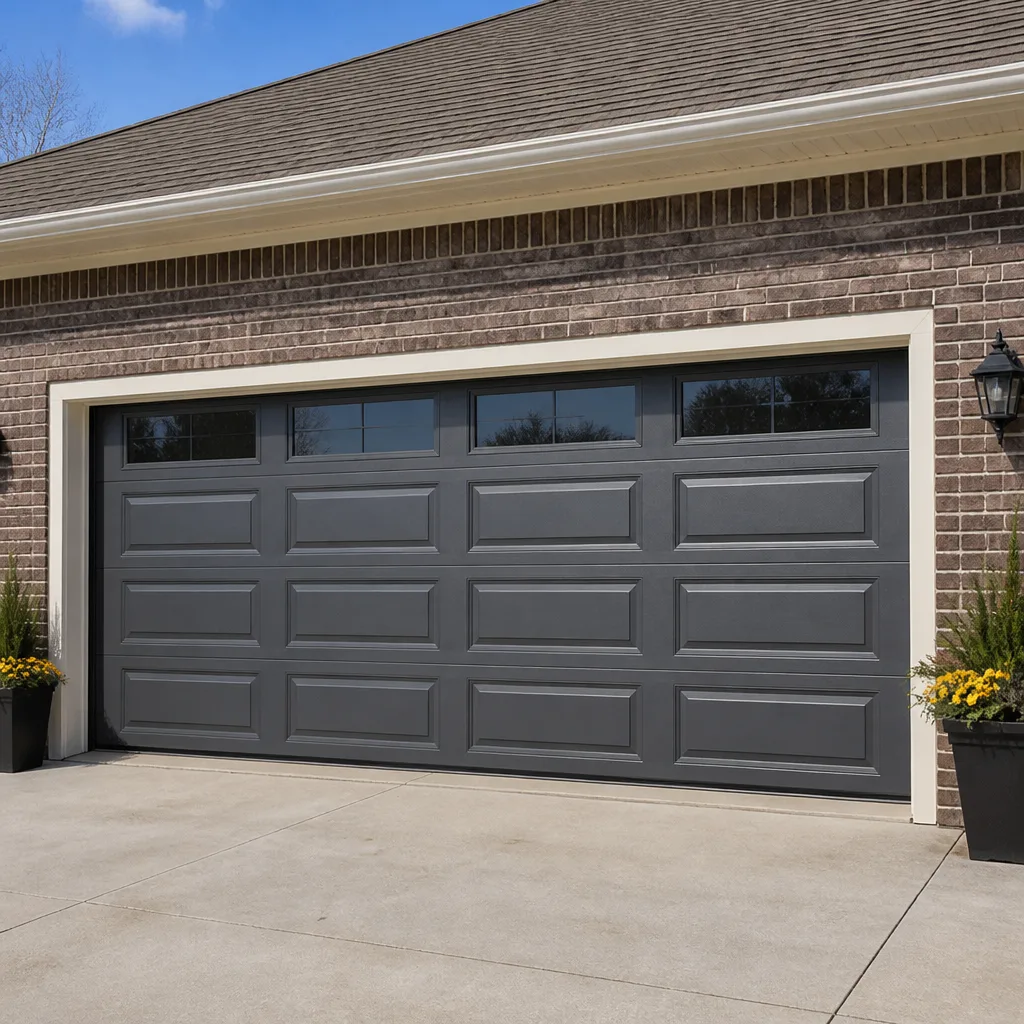 Raised-panel steel
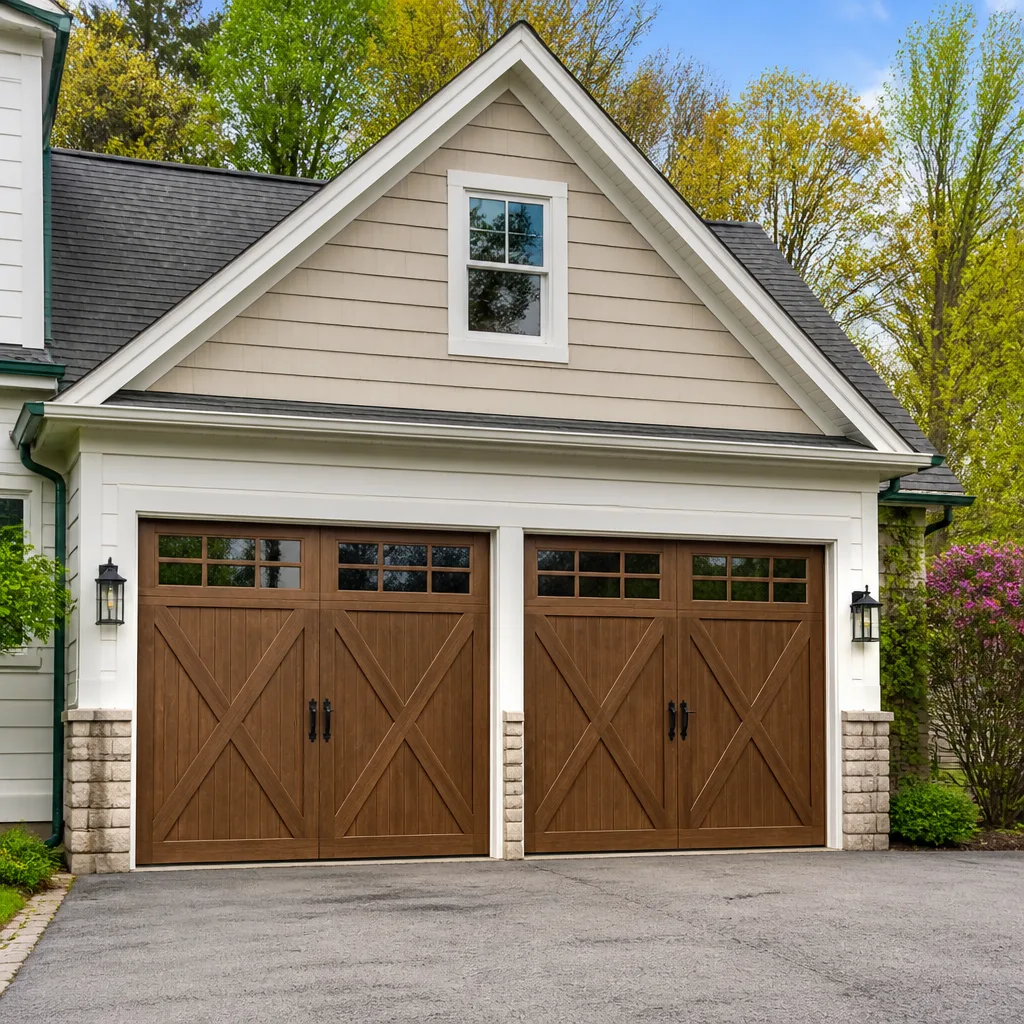 Carriage house
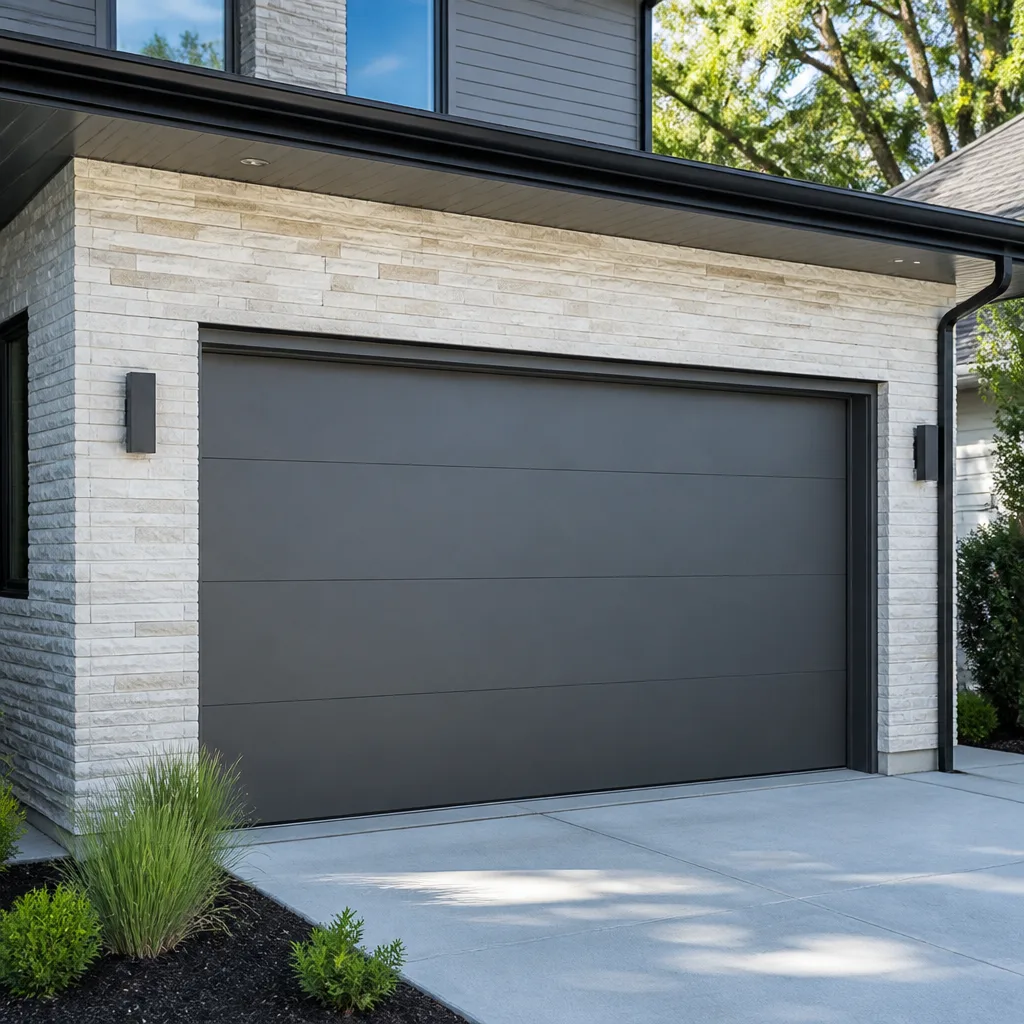 Modern flush
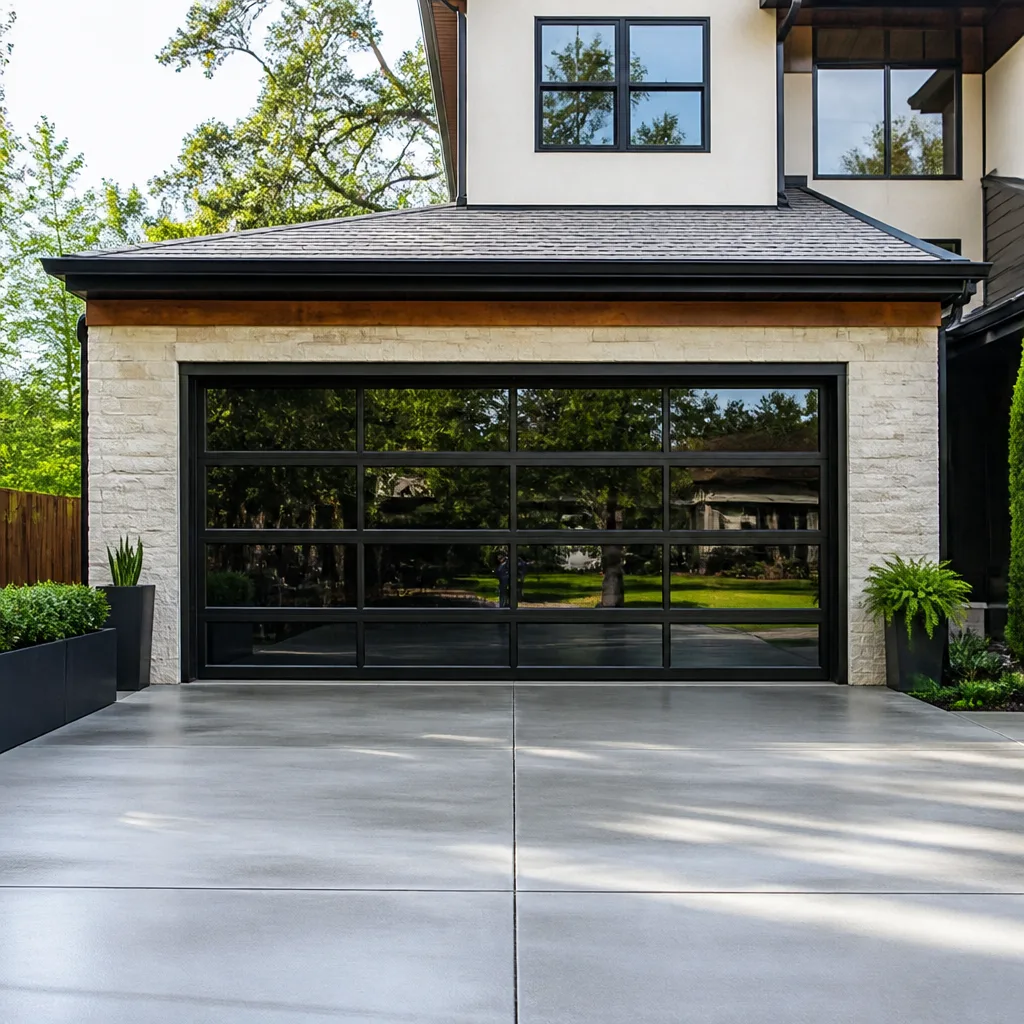 Full-view glass
 LiftMaster openers
 Chamberlain openers
Full 25-point door and opener safety check with every visit - springs, cables, rollers, tracks, and your LiftMaster or Chamberlain opener included
You get a price before we start. It does not change when the truck arrives.
Get your free estimateGarage Door Permits, Codes & Inspections in CA: What You Need to Know
A homeowner in San Diego County sold their house in 2024, and during escrow the buyer’s inspector flagged the garage door. The replacement door itself was fine. What wasn’t fine was the fire-rated assembly behind it. The seller had swapped the door in 2019 without a permit, and the header work done to fit the new opening had never been signed off. The fix cost $2,400 and delayed closing by three weeks. A $150 permit would have prevented all of it. This guide draws the actual line between what needs a permit, what doesn’t, and what a Mira Mesa homeowner should know before touching any part of a garage door system. For more, see our Garage Door Warning Signs: A Mira Mesa Homeowner’s Reference Guide.
Styles & brands we work with
- Raised-panel steel
- Carriage house
- Modern flush
- Full-view glass
- LiftMaster openers
- Chamberlain openers
Quick Answer
A like-for-like garage door replacement in California typically does not require a permit, but any structural modification to the opening, new electrical circuit for an opener, or work affecting a fire-rated wall in an attached garage does. In San Diego County, the triggers are specific: header alterations, new wiring, and compromised fire separations. Most Mira Mesa homeowners fall into the no-permit category for a straightforward door swap, which is exactly why the exceptions are dangerous to miss. Our Garage Door Repair Troubleshooting: Common Problems and How to Fix Them covers what to watch for.
Table of Contents
- When Replacement Requires a Permit vs. When It’s Maintenance
- How San Diego County Handles Garage Door Permits
- California Title 24 and Garage Door Insulation Requirements
- CBC Section 406: Attached Garage Fire Separation Rules
- What an Inspector Actually Looks For on Inspection Day
- UL 325 and Garage Door Opener Safety Compliance
- Common Mistakes to Avoid
- When to Call a Professional
- Frequently Asked Questions
- The Bottom Line
When Replacement Requires a Permit vs. When It’s Maintenance
California building code draws a line between “maintenance” and “alteration,” and most garage door work falls cleanly on the maintenance side. Swapping a tired Clopay steel door for a new one in the same opening, with the same header, same track configuration, and same electrical setup, is generally classified as a repair or replacement in kind. See our Garage Door Repair Maintenance Checklist for Mira Mesa Homeowners for a full pre-project review. No permit required. The California Residential Code (CRC) doesn’t require a permit for “minor repairs” that don’t affect structural integrity, fire resistance, or electrical systems.
That changes the moment any of these four conditions become true:
- Structural modification to the opening. If you’re enlarging or moving the rough opening, replacing the header, or altering the load path above the door, the work falls under California Building Code Chapter 6 and requires a structural review. We’ve seen Mira Mesa homeowners try to fit a taller door for a lifted truck or a small RV, and the header work alone triggers a permit.
- New electrical circuit for the opener. Replacing an opener on an existing circuit is maintenance. Running a new dedicated circuit from the panel to the garage is electrical work, and the California Electrical Code requires a permit for any new branch circuit. A new opener with a high-torque motor, like certain LiftMaster or Chamberlain models with a battery backup, may require a dedicated 20-amp circuit where an older Craftsman unit ran fine on a shared 15-amp line.
- Fire-rated assembly in an attached garage. Any attached garage in California has a fire separation wall between the garage and living space. If the door or its framing components are part of that rated assembly, the replacement must preserve the rating. Altering the door assembly in a way that compromises the rating requires a permit and a fire-rated assembly inspection.
- Work on a garage being converted to conditioned space. If the garage is finished, insulated, and heated or cooled, it’s no longer a standard unconditioned garage. Different sections of Title 24 and the energy code apply, and door replacement in a conditioned space may require compliance verification.
In Mira Mesa specifically, most homes built between 1970 and 1995 use conventional wood headers and dated track hardware. A door-for-door swap on those homes is almost always permit-free as long as the opening dimensions and electrical setup stay unchanged.
How San Diego County Handles Garage Door Permits
Mira Mesa sits inside the City of San Diego’s jurisdiction, which means most homeowners go through the city’s online permit system called ProjectDox. For a typical garage door permit, the process looks like this:
- Determine permit requirement. Confirm whether your project actually triggers a permit. The city’s Development Services Department (DSD) classifies like-for-like door replacement as exempt from permitting under CRC Section 105.2, item 2, which exempts “minor repairs” that don’t affect structural or fire-resistance components.
- File through the citizen portal. If a permit is required, submit the application through the City of San Diego’s online portal. You’ll need the property address, scope of work, a plan showing the existing opening dimensions, and the new door manufacturer’s specifications. For Wayne Dalton and Amarr doors, the manufacturer spec sheets include load-rating data that plan reviewers want to see.
- Pay the permit fee. Garage door permits in San Diego typically run between $150 and $350 depending on the scope. Structural review fees add to this. The fee must be paid before plan review begins.
- Plan review and approval. The city reviews the submission for compliance with the California Building Code, the California Residential Code, and where applicable, the city’s local amendments. Most simple permits clear review within 10 business days.
- Schedule inspection. Once the work is done, the homeowner or contractor calls for a rough or final inspection, depending on the scope. The inspector checks the header, the door assembly, and the opener’s electrical connection.
There’s a wrinkle in Mira Mesa. A handful of parcels on the eastern edge of the neighborhood fall under unincorporated San Diego County jurisdiction, not the City of San Diego. If you’re on one of those parcels, you’re dealing with the County’s Department of Public Works instead of the city’s DSD. The county uses a different online portal and a slightly different fee schedule. A quick check of your property’s jurisdiction on the County Assessor’s parcel map resolves that ambiguity in about two minutes.
California Title 24 and Garage Door Insulation Requirements
California Title 24, Part 6, sets the energy efficiency standards for residential buildings, and it treats garage doors in a way that surprises many homeowners. For a standard unconditioned garage, there are no mandatory insulation requirements for the door itself. The garage is outside the building’s thermal envelope, so Title 24 doesn’t care about the door’s R-value.
The rules change when the garage is conditioned space, meaning it’s heated, cooled, or both. In a conditioned garage, Title 24 treats the door as part of the building’s envelope, and the door must meet specific U-factor requirements based on the climate zone. San Diego County is in Climate Zone 7, which historically required garage doors in conditioned spaces to meet a maximum U-factor of 0.35, roughly equivalent to a well-insulated steel door with a polyurethane core. An Amarr Olympus or Wayne Dalton 9100 with an insulated core typically meets this standard when specified correctly.
Even in unconditioned garages, there’s a practical consideration. Mira Mesa’s climate is mild, but garages here still absorb daytime heat. An insulated door keeps the garage 10 to 15 degrees cooler in summer, protects stored items from temperature swings, and reduces noise transmission to adjacent rooms. We recommend insulated doors for almost every attached garage in Mira Mesa, not because code demands it, but because the marginal cost over a non-insulated panel is small and the comfort difference is real.
One more Title 24 note: the code also governs lighting in garages. If your garage door replacement project includes new lighting fixtures, those fixtures must be high-efficacy LED. That’s a separate Title 24 requirement that inspectors do check.
CBC Section 406: Attached Garage Fire Separation Rules
The California Building Code Section 406 is the part of the code that most directly affects garage door installations in attached garages. Section 406 requires that any garage attached to a dwelling have a fire separation between the garage and the residence, and that separation extends to the walls, ceiling, and any door connecting the garage to the living space.
What many homeowners don’t realize is that the garage vehicle door itself is not required to be fire-rated. The fire rating applies to the wall and the man-door between the garage and the house. But the vehicle door’s installation can compromise that wall in several ways:
- Header support. The wood header above the garage door carries load from the roof or second floor. In an attached garage, that header is part of the structural connection between the garage and the house. If the header is altered or replaced without proper sizing, the structural integrity of the separation wall is compromised.
- Drywall separation. Section 406 requires 1/2-inch gypsum board on the garage side of the separation wall and 5/8-inch Type X where the wall is load-bearing. If a new door installation requires moving wall sections or reframing near the separation, the drywall must be restored to the required thickness and fire rating.
- Duct and opening penetrations. Any new openings cut through the garage ceiling or walls for opener electrical wiring must be sealed with fire-rated caulk or mineral wool. Inspectors in San Diego check this on final.
- The man-door from garage to house. That interior door must be solid-core, at least 1-3/8 inches thick, self-closing, and without any glass. If your garage door project modifies any nearby framing and that man-door needs replacement, the replacement must meet these specs.
In our experience in Mira Mesa, many older homes have man-doors that don’t meet the current self-closing requirement. A garage door project is a good moment to upgrade that door to code while the wall is being inspected anyway.
What an Inspector Actually Looks For on Inspection Day
If your project does require a permit, the inspection is not a casual glance. San Diego inspectors check three things on most garage door installation inspections:
- Header load path. The inspector verifies that the header over the door opening is sized correctly for the span and the load above it. For a typical 16-foot wide double door in a single-story Mira Mesa home, the header is usually a 4×12 or larger engineered beam. The inspector wants to see that the load transfers down through king studs and jack studs to the foundation. If the original header was replaced, the inspector will verify the wood is grade-stamped and the connections are properly made.
- Opener voltage and circuit. The inspector checks that the opener is on the correct circuit and that the electrical connection is safe. A garage door opener in California must be plugged into a GFCI-protected outlet, per the California Electrical Code. Many older Mira Mesa garages have non-GFCI outlets, and the inspector will flag that. The circuit ampacity must match the opener’s nameplate rating.
- Auto-reverse compliance. Under federal law (UL 325), every garage door opener manufactured since 1993 must have an auto-reverse mechanism that senses resistance and reverses the door, plus a photoelectric sensor that detects obstruction. In San Diego, inspectors verify that the sensors are mounted no higher than 6 inches from the floor and that the auto-reverse function works under test conditions. A door that fails this test fails inspection.
The inspection typically takes 20 to 30 minutes for a simple permit. For structural work, the inspector may also check that the concrete in the opening area has not been disturbed and that anchor bolts are present where required. If you’re working with a contractor, make sure they’re present for the inspection day. Small corrections are often instantly resolvable on-site.
UL 325 and Garage Door Opener Safety Compliance
UL 325 is the federal safety standard for automatic garage door openers, and it’s not optional. Every opener sold or installed in the United States must comply with UL 325, which mandates the two safety systems mentioned above: a photoelectric sensor (the eye beams near the floor) and a mechanical auto-reverse that stops and reverses the door when it meets resistance.
The standard has been updated over the years. Since 2016, all new LiftMaster, Chamberlain, and Genie openers have included an enhanced safety protocol. The current UL 325 standard requires that the opener’s force settings be adjusted to the minimum necessary to operate the door. An opener that’s set too aggressive can apply enough force to cause serious injury or entrapment.
Here’s what compliance means in practice for a Mira Mesa homeowner:
- The photo sensors must be installed. They mount on the door tracks, no higher than 6 inches from the floor, aligned so the infrared beam is uninterrupted when the door is closed. If those sensors are missing, bypassed, or taped together, the opener is not UL 325 compliant, and we treat that as a safety defect on every service call.
- The auto-reverse must be tested. The standard test uses a 2×4 block placed flat in the door’s path. The door must reverse within two seconds of contacting the block. We test this on every service visit and after every installation.
- Force settings must be dialed in. A door that’s too heavy or springs that are improperly balanced forces the opener to work harder, which often leads a homeowner or a handyman to crank up the force setting. That’s the exact scenario UL 325 is designed to prevent.
- Manual release must be accessible. The red emergency release cord must be within reach and in good condition. A missing or broken release means the opener fails the safety checklist.
When we install a new opener on an existing door, the door’s spring tension and track condition are the first things we check. A UL 325 compliant opener attached to a door with broken or improperly adjusted springs is not actually compliant in operation. The safety system exists to protect the mechanical system, and the mechanical system has to be healthy first. This is why we start every opener repair with a door health check, especially on older Raynor and Craftsman doors that have seen years of use.
Common Mistakes to Avoid
- Skipping the permit because the door “looks the same.” The door may look identical, but if the header was altered to fit the new opening, the fire-rating implications are real. We’ve seen homeowners in Mira Mesa skip the permit and then face lender questions during refinance because the title report or inspection history showed unpermitted work.
- Assuming all Mira Mesa parcels are under the City of San Diego. Most are, but the eastern fringe of the neighborhood falls under unincorporated county jurisdiction. Filing with the wrong agency wastes a week or more, and the county has different fee schedules and inspection timelines.
- Using a general contractor who doesn’t know Section 406. A general contractor who doesn’t specialize in garage doors may not recognize the fire-separation implications of header alterations or wall penetrations. A specialist understands how the door opening interacts with the rated assembly.
- Not upgrading the man-door from the garage to the house. The garage door project is the perfect moment to bring the interior door up to code. A solid-core self-closing door costs less than $300 and brings the whole separation into compliance.
- Buying the cheapest insulated door and assuming it meets Title 24. In a conditioned garage in Climate Zone 7, not every “insulated” door meets the U-factor requirement. Polystyrene insulation in a steel door is not the same as polyurethane foam. Verify the door’s U-factor against the code requirement before ordering.
- Installing a new opener on an old non-GFCI circuit. A new Chamberlain or Genie opener plugged into an ungrounded or non-GFCI outlet fails the electrical portion of the inspection. The circuit was likely fine for the old Craftsman unit, but the new unit may trip a mismatched breaker or fail the inspector’s voltage check.
- Not testing the auto-reverse after a spring replacement. After any spring or cable work, the door’s balance changes, which changes the force required to open it. An opener that was compliant before the spring replacement may not be compliant afterward. Test it with the 2×4 method every time.
When to Call a Professional
Call a specialist when any of these apply: you’re enlarging or altering the door opening and need to know whether the header is load-bearing; you’re installing a new opener and need a dedicated circuit run; you’ve replaced a door in the past without a permit and now need to correct a fire-separation issue before selling; you’re converting a garage to conditioned space and need to know which Title 24 requirements apply to the door; or you’re uncertain whether your project falls into the maintenance or alteration category.
We work on the brands you already have, from Amarr and Wayne Dalton doors to LiftMaster, Chamberlain, and Genie openers, and we can tell you exactly where your project falls under current California code. Garage Door Repair Mira Mesa offers free estimates in Mira Mesa and throughout the surrounding area. Call (833) 620-4120 for a no-obligation assessment. For more on what we do, see our Garage Door Repair Mira Mesa home page, our Garage Door Repair in Mira Mesa service page, our Garage Door Opener Repair in Mira Mesa opener service, and our Garage Door Installation in Mira Mesa page for everything’s covered.
Frequently Asked Questions
No, as long as the replacement is like-for-like: same opening dimensions, same header, same electrical setup, and no changes to any fire-rated assembly. The California Residential Code exempts minor repairs and replacements in kind from the permit requirement. If you’re altering the structural opening, adding a circuit, or working on a fire-rated wall, a permit is required. Call (833) 620-4120 for a free assessment if you’re not sure.
A standard garage door permit in the City of San Diego runs between $150 and $350, depending on whether plan review is required and whether the scope includes structural work. Unincorporated county parcels follow the county fee schedule, which is slightly different. The permit fee is separate from the cost of the door and installation.
Only if the garage is conditioned space, meaning it’s heated or cooled. For a standard unconditioned garage, Title 24 imposes no insulation requirements on the door. For a conditioned garage in San Diego County’s Climate Zone 7, the door must meet a maximum U-factor of 0.35, which typically means a polyurethane-core insulated door. Most Mira Mesa garages are unconditioned, but many homeowners still choose insulated doors for comfort and noise reduction.
The garage vehicle door itself is not required to be fire-rated. The fire separation applies to the walls, ceiling, and man-door between the garage and the living space. However, the vehicle door installation must not compromise that separation: the header, wall framing, and any penetrations for electrical work must preserve the 1/2-inch or 5/8-inch drywall, and the man-door must be solid-core and self-closing.
Yes, if the opener is replacing an existing unit on an existing circuit. No permit is required for a like-for-like opener swap. A permit is required if you’re running a new circuit from the panel, which is often the case when a modern LiftMaster or Chamberlain opener with battery backup requires a dedicated 20-amp circuit where an older Craftsman unit ran on a shared 15-amp line.
You may face a repair demand or closing delay. Buyers’ inspectors look for unpermitted structural or electrical work, and an altered header or a missing fire-rated assembly can trigger a demand for retroactive compliance. That typically means bringing the work up to code, paying for a permit and inspection, and sometimes retrofitting a rated assembly. The fix often costs several times what the original permit would have.
The Bottom Line
Most Mira Mesa homeowners replacing a worn garage door need no permit, and that’s good news. The danger hides in the exceptions: structural changes to the header, new electrical circuits for openers, and any work touching a fire-rated separation wall in an attached garage. California code is clear about where the line sits, but that clarity only helps if you know to look. The $150 to $350 a permit costs is cheap insurance against a $2,400 retroactive fix at resale. Check your jurisdiction, verify your Title 24 obligations if the garage is conditioned, and if there’s any doubt, have a specialist look at the opening before the work starts. Browse more guides & resources from our team. We work on the brand you already have, and we’ll tell you honestly which route makes sense for your home.
Written by the team at Garage Door Repair Mira Mesa, serving Mira Mesa since 2012.
See the difference
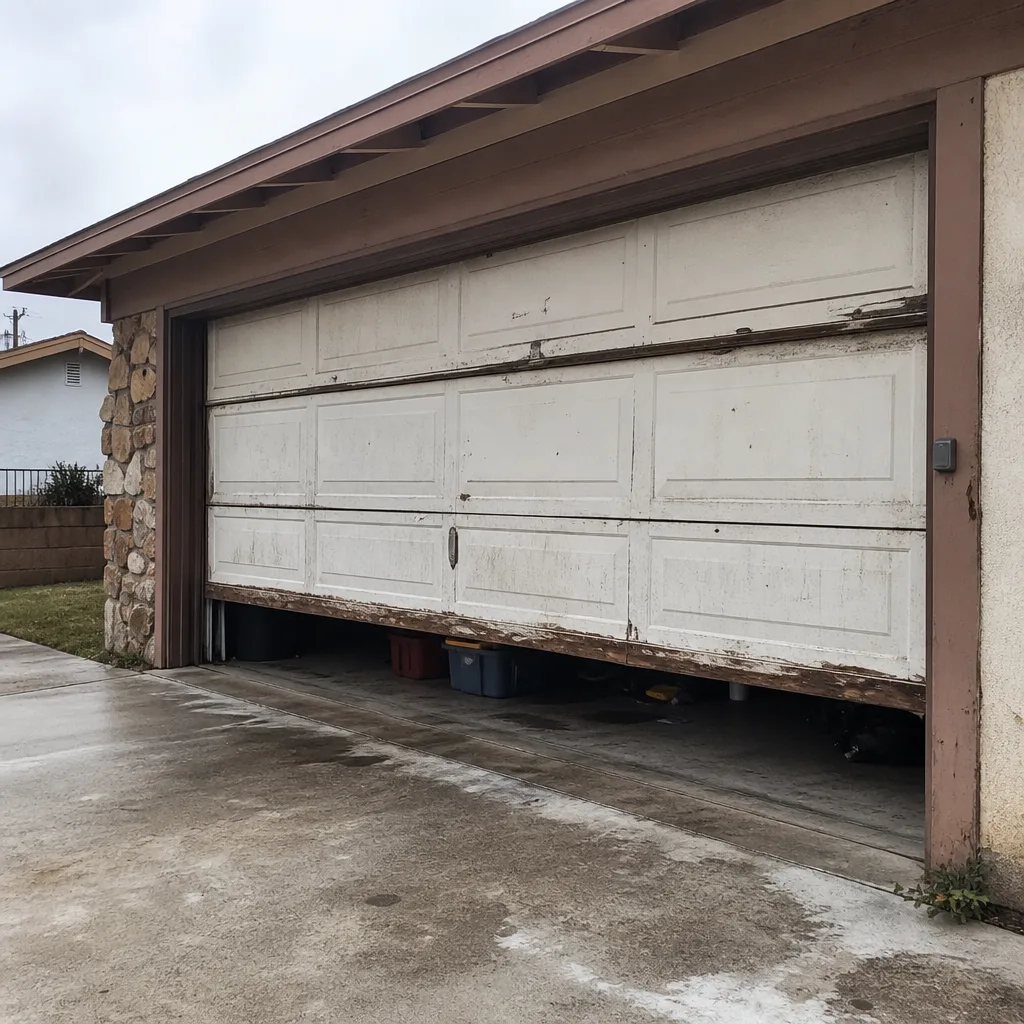 Before
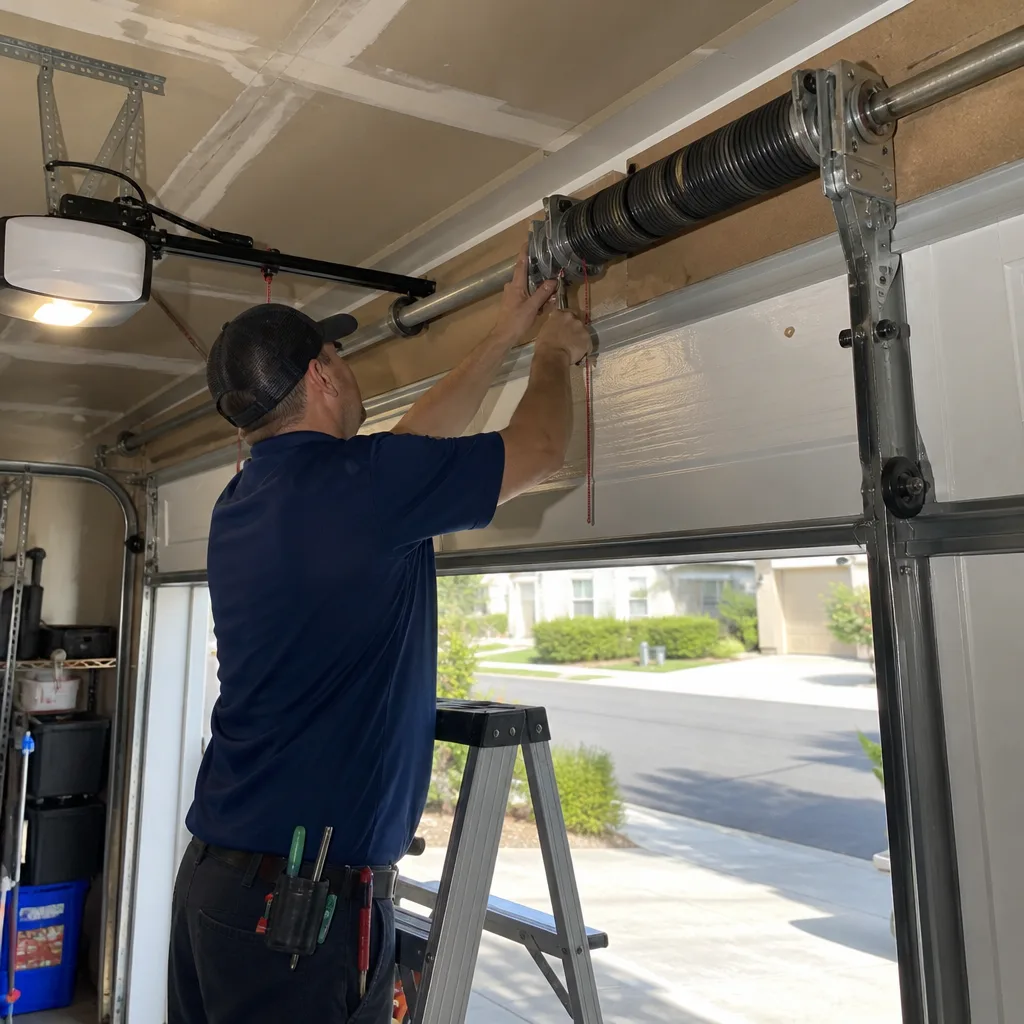 After
 Before
 After
 Before
 After