
Last updated November 2, 2026
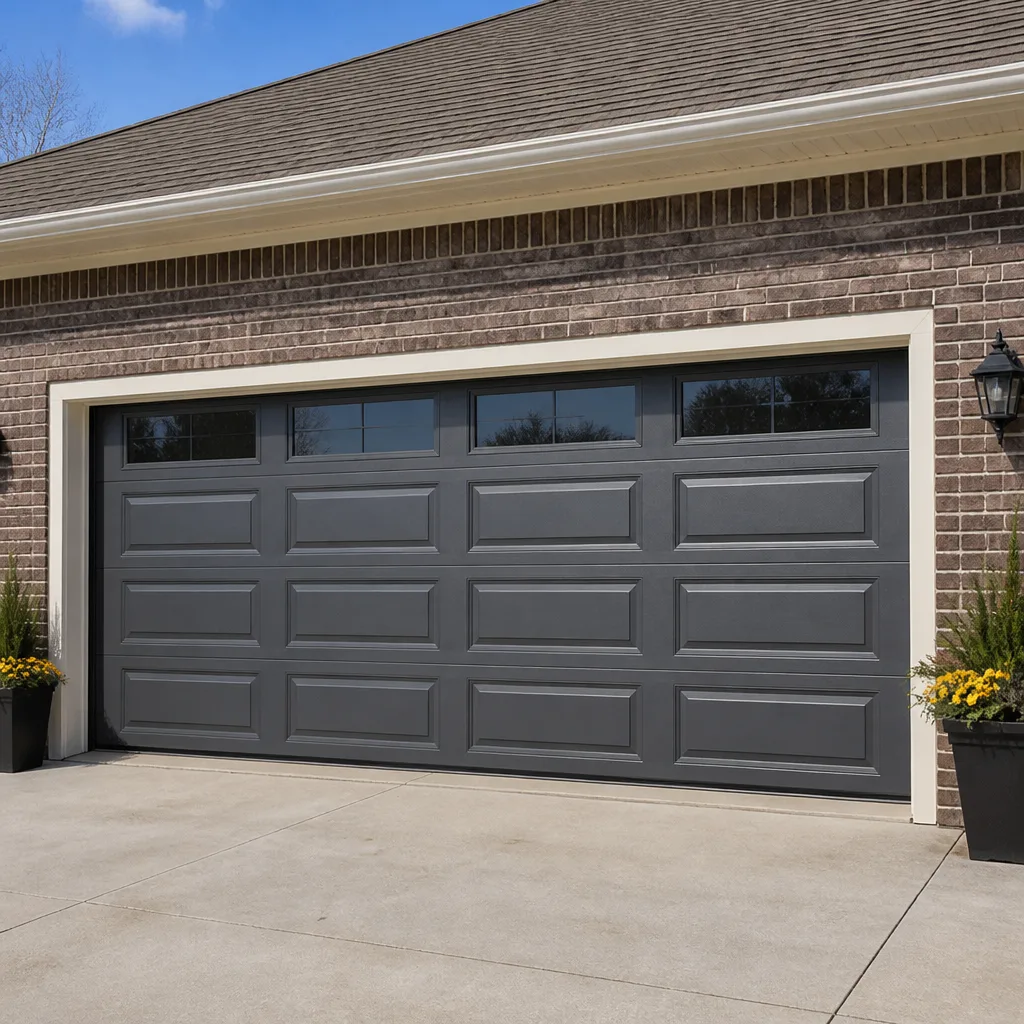 Raised-panel steel
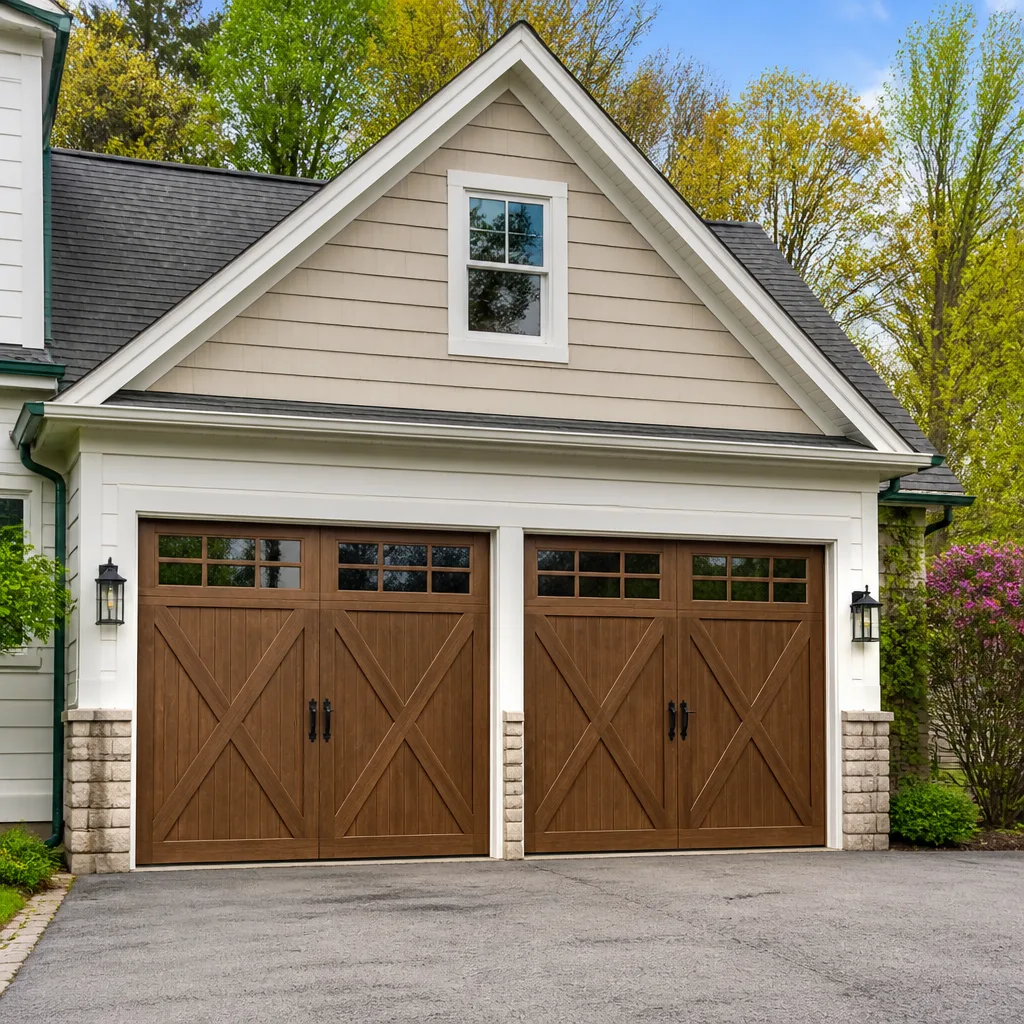 Carriage house
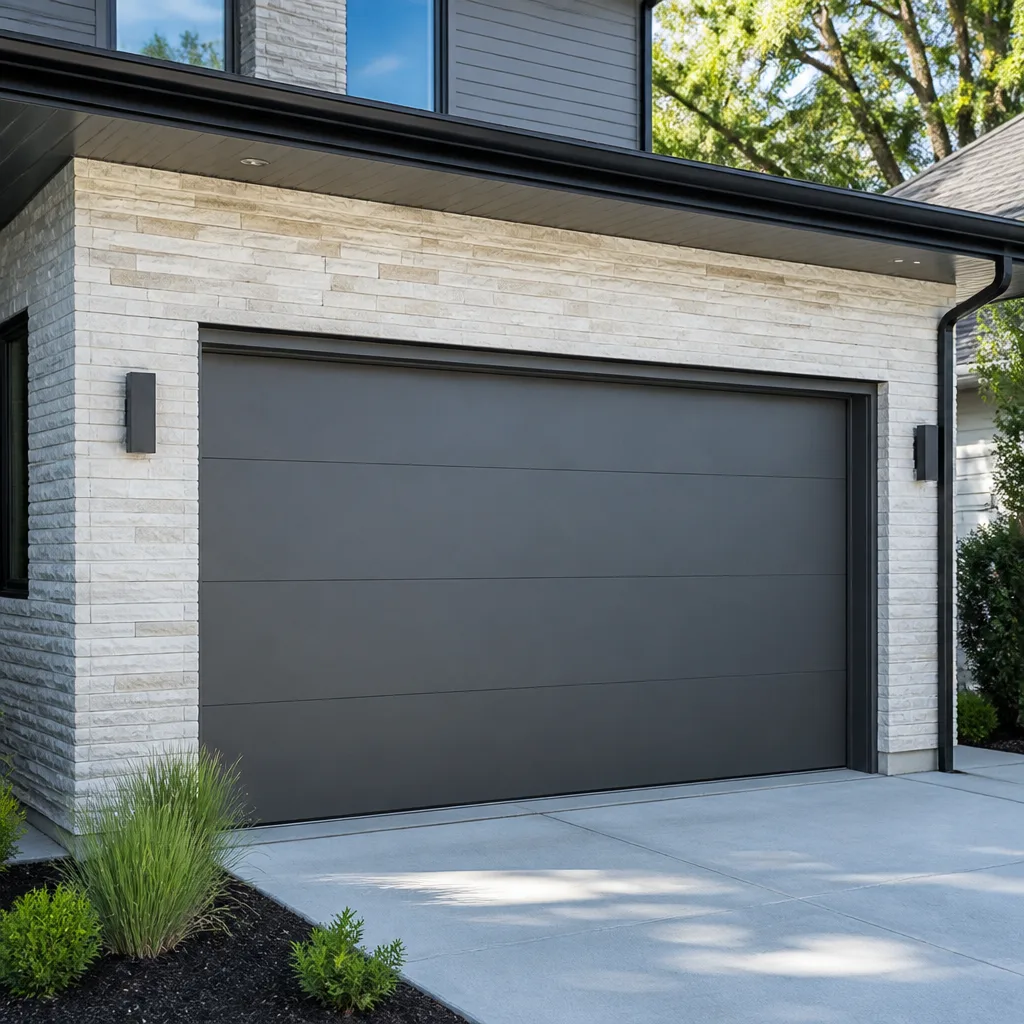 Modern flush
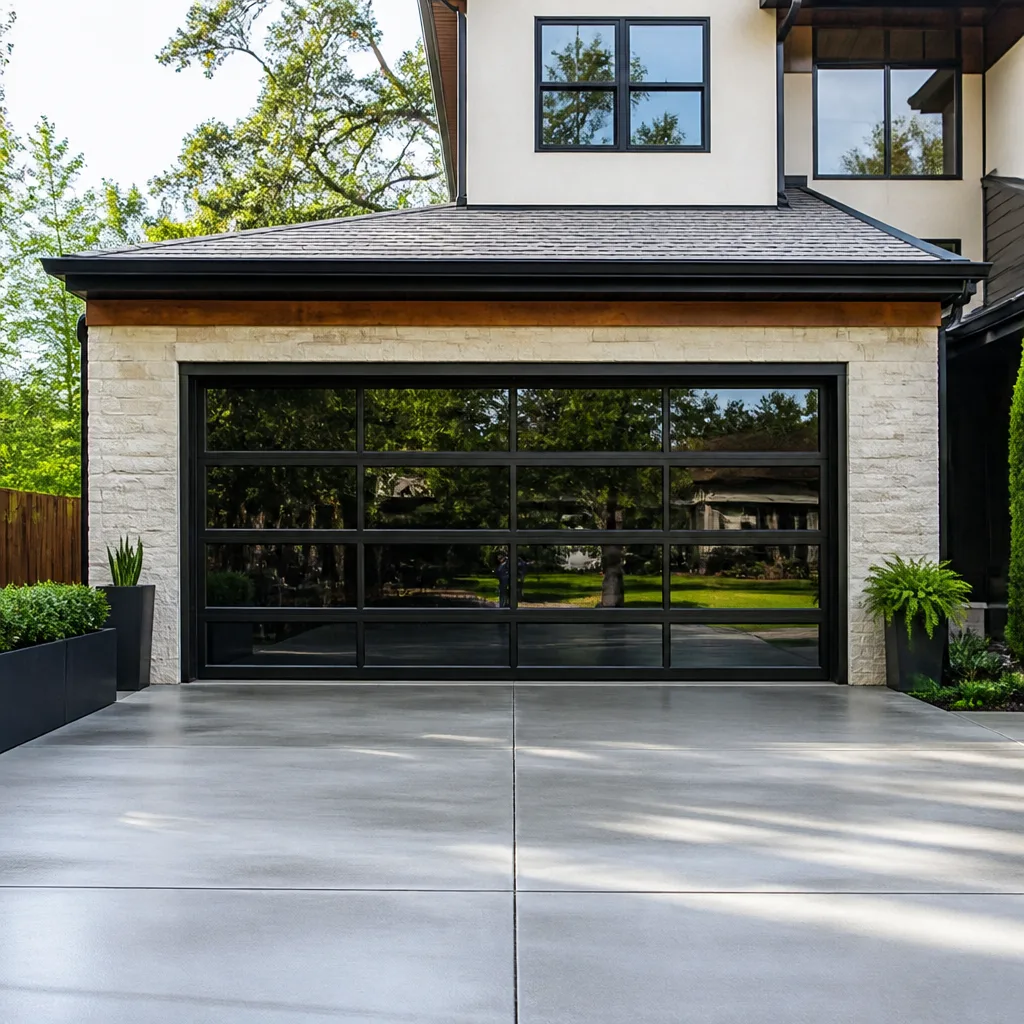 Full-view glass
 LiftMaster openers
 Chamberlain openers
Full 25-point door and opener safety check with every visit - springs, cables, rollers, tracks, and your LiftMaster or Chamberlain opener included
You get a price before we start. It does not change when the truck arrives.
Get your free estimateGarage Door Emergency Preparedness Guide for Mira Mesa Homes
During the 2007 Witch Creek Fire evacuations, a documented pattern emerged across San Diego County that most homeowners never think about until it’s too late. People who couldn’t locate or operate their garage door’s manual release cord lost critical minutes. Some couldn’t get vehicles out at all. In Mira Mesa, where we sit between Penasquitos Canyon and the Sorrento Valley corridor, wildfire evacuation routes run directly through our neighborhoods, and the garage door is often the fastest exit point for a car. This guide covers what actually fails during emergencies, how to test your equipment before you need it, and what to do when the power is out, the ground has shaken, or the evacuation order is already on your phone. For Garage Door Repair Troubleshooting: Common Problems and How to Fix Them, see our dedicated resource.
Styles & brands we work with
- Raised-panel steel
- Carriage house
- Modern flush
- Full-view glass
- LiftMaster openers
- Chamberlain openers
Quick Answer
Garage door emergency preparedness in Mira Mesa comes down to three things: testing your manual release cord in daylight so you can operate it blind in an emergency, understanding what a battery backup opener does and doesn’t protect you from, and knowing how to inspect your door for structural damage after an earthquake. Most Mira Mesa homes fail the manual release test on the first try, which means the door won’t open when the power is out and the opener is still engaged. Spending 15 minutes this weekend practicing the release procedure solves 90% of the problem.
Table of Contents
- How to Operate Your Manual Release Cord in the Dark
- Battery Backup Openers: What They Cover and What They Don’t
- Post-Earthquake Door Inspection Protocol for Mira Mesa
- Wildfire Evacuation Prep for Penasquitos Canyon and Sorrento Valley
- What to Do When the Power Goes Out
- What to Tell a Technician on an Emergency Call
- Emergency Supplies Every Mira Mesa Garage Should Have
- Common Mistakes to Avoid
- When to Call a Professional
- Frequently Asked Questions
How to Operate Your Manual Release Cord in the Dark
Every automatic garage door opener has a manual release mechanism, and in almost every residential installation in Mira Mesa, it’s a red cord hanging from a trolley on the opener rail. The cord disengages the door from the opener’s drive mechanism, which means you can lift the door by hand even when there’s no power. What the cord does not do is bypass a broken spring, a jammed roller assembly, or a bent track. If the door’s hardware is damaged, pulling the cord just disconnects the opener while the door stays stuck.
Here’s the walkthrough we recommend every homeowner practice at least twice a year:
- Close the door fully. Practicing with the door open is dangerous because a door disconnected from the opener while raised can slam down if the spring is weak or unbalanced.
- Locate the red cord. It hangs from the center rail, typically 6 to 12 inches behind the opener motor head. In Mira Mesa garages with tall ceilings or extension kits, the cord may hang at 7+ feet, so keep a step stool nearby if you’re under 5’6″.
- Pull the cord straight down and slightly back toward the door. You should hear a click, and the trolley will release. The door is now in manual mode.
- Lift the door by hand using the handle or bottom edge. A properly balanced door should lift smoothly with roughly 20 to 30 pounds of effort and stay open at the halfway point. If it’s heavy or drops on its own, the spring is failing, and that’s a separate emergency.
- Re-engage by pulling the cord toward the opener motor or pressing the wall button once. The trolley will snap back into place on the next cycle.
We’ve responded to calls in Mira Mesa where homeowners pulled the release cord during a power outage and then couldn’t re-engage it because they’d never seen the mechanism before. Practice it in daylight, with the door closed, and do it with every member of the household who drives. The 90 seconds you spend now will feel like nothing compared to fumbling with a red cord at 2 a.m. with a flashlight in your teeth.
Battery Backup Openers: What They Cover and What They Don’t
A battery backup opener runs on an internal rechargeable battery when the grid goes down. The LiftMaster 8550WB and similar units from Chamberlain, Genie, and Craftsman are the most common models we service in Mira Mesa, and they’re required by California building code on new garage door installations in most cases. The battery operates the opener motor so you can raise and lower the door with the remote or wall button during a power outage, typically for 20 to 50 cycles depending on the model and battery age. Note that Garage Door Permits, Codes & Inspections in CA: What You Need to Know requires these on most new installations.
But there’s a hard line around what battery backup covers, and it’s the single most misunderstood feature in garage door ownership:
- It runs the opener motor only. It does not run a broken spring, a snapped cable, or a misaligned track.
- It does not help if the door is physically jammed. If a panel is dented and binding against the track, the backup battery will try to move the door and may strip the opener gears or damage the panel further.
- It does not lock the door. A battery backup keeps the door operable, but a garage door that’s closed but not bolted is still vulnerable to forced entry, especially in a neighborhood left empty during an evacuation. If you’re leaving for an extended period, extend the bolt lock or place a vise grip on the track above a roller.
- Batteries wear out. Most backup batteries last 2 to 4 years. If your opener is older than that and you’ve never replaced the battery, it may not work when the power fails. Test it by unplugging the opener and running a full cycle.
If you have a Wayne Dalton, Amarr, or Raynor door paired with an older opener without backup, consider whether the added evacuation assurance is worth an opener upgrade. Our advice depends on how far you are from canyon-side evacuation routes and whether anyone in the household has mobility limitations. We’ll tell you honestly whether a backup unit makes sense for your specific setup.
Post-Earthquake Door Inspection Protocol for Mira Mesa
Mira Mesa sits on an alluvial terrace above Rose Canyon and directly within the shaking influence of the Rose Canyon Fault Zone, which runs through Sorrento Valley and under the 805 corridor. A magnitude 6.0 or larger event on that fault would produce significant ground shaking across our neighborhoods. Garage doors are more vulnerable to earthquake damage than most homeowners expect because they’re the largest moving object attached to the structure, and their tracks are anchored to walls and ceilings that flex during shaking.
After any earthquake large enough to rattle windows, run this inspection before you cycle the door, even if it looks fine from the driver’s seat:
- Check panel alignment from outside. Look at the horizontal seams between panels. If any seam is visibly wider on one side than the other, the panels are racked. Do not operate the door.
- Inspect both vertical tracks. Look for any section that’s twisted, bowed, or pulled away from the wall. A track that moved even half an inch out of parallel can derail a roller on the next cycle and drop a panel.
- Pull the release cord and lift the door manually. A post-earthquake door that binds, drags, or jumps as you lift it has structural problems even if the opener would technically move it. Forcing an opener through a damaged track is how doors end up crashed onto a car hood.
- Check the spring anchor plates. These are the steel brackets above the door where the torsion spring mounts. Hairline cracks in drywall around these plates, or visible gaps between the plate and the wall, mean the spring’s mounting integrity may be compromised. A torsion spring under tension that breaks loose from a damaged anchor is a projectile risk.
- Listen for unusual pops or grinding during a test cycle. If you’ve cleared steps 1 through 4, run one cycle from the wall button with no one standing under the door. Any sound you haven’t heard before, any hesitation mid-cycle, any shaking of the door as it moves: stop and call for an inspection.
We’ve seen doors in Mira Mesa that passed a visual check after a smaller quake but had a cracked spring anchor plate that failed three days later when the spring wound down catastrophically. The door looked fine until it didn’t. When an earthquake exceeds a magnitude you can feel in your teeth, err on the side of a professional inspection.
Wildfire Evacuation Prep for Penasquitos Canyon and Sorrento Valley
Mira Mesa’s eastern and southern edges back up against Penasquitos Canyon and the Sorrento Valley corridor, both of which have burned in recent San Diego County fire history and both of which sit within designated evacuation planning zones. When evacuation orders come through, they don’t always arrive with hours of notice. The Witch Creek Fire and the 2014 Bernardo Fire both moved quickly through canyon systems near residential areas, and evacuation traffic on Mira Mesa Boulevard and Sorrento Valley Road backs up fast.
Here’s what we tell our customers who live in the canyon-adjacent neighborhoods, including the developments east of Camino Ruiz and south of Calle Cristobal:
- Test the manual release at the start of fire season. If the power goes down while your car is parked in the garage, and the opener is engaged, and you haven’t practiced the release, your car is trapped. This isn’t hypothetical. It happened during evacuations in 2007.
- Unplug the opener if you’re leaving for an extended evacuation. This serves two purposes: it prevents a power surge from frying the opener’s circuit board when power is restored or fluctuates during the fire event, and it means the door won’t accidentally open from a stray remote signal while the neighborhood is empty.
- Know your manual lock position. After you unplug the opener and the door is closed, engage the manual slide lock if your door has one. If it doesn’t, place a locking pliers on the track just above the bottom roller. This physically prevents the door from being pulled up from outside.
- Keep a backup battery remote or keypad outside the garage. If you return after an evacuation and the power is still out but your opener has battery backup, you need a way to trigger it from outside. A wireless keypad rated for outdoor use, installed well before fire season, solves the re-entry problem.
If you’re on the fence about whether your door is ready for evacuation season, this is one of the most valuable inspections you can schedule. Our Garage Door Repair in Mira Mesa service includes a full cycle test, spring balance check, and manual release verification, so you know the door will open by hand when it has to.
What to Do When the Power Goes Out
Power outages in Mira Mesa happen during heat waves, Santa Ana wind events, the occasional transformer failure, and the rare but real rolling blackout. When the power drops and your car is in the garage, the sequence matters less than the outcome: you need the door open, and you need it done without damaging anything.
Walk through this list, in order:
- Determine whether the door is moveable by hand. Pull the release cord. If you’ve tested it recently, you already know where it is and how it feels. If you haven’t, find the red cord hanging from the opener rail and pull it straight down.
- Grab the door handle or bottom edge and lift. A properly balanced door lifts smoothly and stays up when you let go at the halfway point. If the door is fighting you, is extremely heavy, or moves in jerks, stop. A broken spring or derailed roller means the door will not open safely by hand, and forcing it risks injury or further damage.
- If the door is safe to move manually, raise it fully and disengage the opener sensor beam. If you’re leaving the door open for ventilation or access, prop the door in place with locking pliers on the track above a roller to prevent it from sliding down on its own.
- If you must leave the door open with no spring tension relief, do not leave it half open. Half-open doors are unstable because the spring system is designed for full-open or full-closed positions. Gravity and a weak spring can drop a half-open door without warning.
- When power returns, re-engage the trolley only after checking that the door is in the closed position and the opener is plugged in. Cycling the opener with the door disconnected can slam the trolley into the release mechanism and damage the opener rail.
This protocol is the same whether you drive a sedan or an SUV, whether your door is steel from Clopay or a wood-look Amarr model, and whether your opener is a 15-year-old Chamberlain chain drive or a new LiftMaster belt unit. The mechanics don’t change.
What to Tell a Technician on an Emergency Call
When you call a garage door specialist after an emergency, the first 60 seconds of the conversation determine whether we arrive with the right parts and the right expectation. Most homeowners call and say “my garage door won’t open,” which is true but not useful. Here’s what helps us get you a more accurate ETA and arrive ready to work:
- The symptom, not the diagnosis. “The door opens 6 inches and stops” tells us more than “I think the spring is broken.” Describe exactly what happens when you press the button.
- Whether the power is on in the rest of the house. If your kitchen lights are on but the garage door is dead, that’s an opener-specific electrical issue. If the whole house is out, we’re working around the same outage you are.
- Whether the manual release has been pulled. If you’ve already disengaged the door, tell us. If you haven’t, tell us that too. We don’t want you pulling a release cord on a door that’s under tension from a broken spring.
- The door brand and approximately how old it is. If it’s a Wayne Dalton Torquemaster, we’re bringing different spring parts than we would for a Raynor or Clopay torsion setup. The brand name is usually printed on the bottom panel or the lock handle.
- If there’s a car trapped inside. This changes the priority level. If a vehicle is stuck in the garage, we’ll walk you through safe options on the phone before we arrive, where possible.
- Any recent noises or events. A loud bang before the failure, a door that’s been shaking for weeks, an earthquake the day before: these details point us toward the right diagnosis before we even get the truck in gear.
A 30-second phone description saves an extra trip across Mira Mesa for a part we could have loaded the first time. For emergency service, call (833) 620-4120 and tell us what you’re seeing.
Emergency Supplies Every Mira Mesa Garage Should Have
Most emergency prep lists for San Diego focus on water, food, and batteries. For more guides & resources on home preparedness, visit our blog. Your garage needs its own short list, and it’s cheap to assemble. Keep these items in a labeled bin near the interior garage door, not buried behind holiday decorations:
- A dedicated flashlight with fresh batteries. Your phone flashlight is fine until you’re holding it between your teeth while you’re climbing a ladder and the manual release cord is two feet above your head. A proper flashlight with a wrist strap solves this.
- A step stool rated for your weight. If your release cord hangs above your comfortable reach, do not stand on a rolling chair, a bucket, or the bumper of the car. A sturdy step stool costs $25 and is the difference between a clean release and a fall.
- Locking pliers. A 10-inch pair of vise grips is the universal manual lock for a garage door. Clamp it on the track just above a roller and the door physically cannot move, whether the opener is engaged or not.
- Spare batteries for your wall keypad and remote. In a power outage, your wall button won’t work, but a wireless keypad or remote with a battery backup opener will. Dead batteries in those devices are a silent failure mode.
- A printed copy of your garage door specialist’s number. When the power is out and phones are charging in the car, a piece of paper with (833) 620-4120 and a note about your door brand is worth more than a phone contact list. Put it in the bin.
These items cost under $60 total and take 15 minutes to assemble. If you have an older Craftsman opener or a manual-lift Amarr door that predates the current code requirements, the flashlight and step stool become even more important because there’s no battery backup to bail you out.
Common Mistakes to Avoid
- Thinking a battery backup means the door always opens. The battery runs the opener motor. It does not compensate for a broken spring, a snapped cable, or a derailed roller. If the door is mechanically broken, the battery is irrelevant.
- Pulling the release cord with the door in the open position. This is the single most common dangerous mistake we see. Disconnecting the opener while the door is up means the door is now held open entirely by the spring. If that spring snaps on a compromised door, the door comes down hard and fast.
- Forcing the door when it’s fighting you. If you pull the release cord and the door won’t lift with moderate effort, do not keep pulling. A door that’s unusually heavy is telling you the spring has failed or is under tension in a way that it was never designed to be. Forcing it can send a panel off its track.
- Assuming a post-earthquake door is fine because it still moves. The opener can mask structural damage for days or weeks. A door that cycles normally after a quake but has a cracked track bracket or a shifted spring anchor is a door that fails later, often with a car underneath it.
- Leaving the opener plugged in during an extended evacuation. Power surges during wildfire-related outages can fry opener control boards. Unplugging the unit costs nothing and protects an opener that might otherwise be damaged beyond repair when the grid comes back.
- Not testing the manual release because “it looks simple.” It is simple, which is why people assume they’ll figure it out in the dark while the house shakes or the evacuation alert is buzzing. They don’t. Practice it once, and you’ll own the procedure for life.
- Calling a generalist handyman for emergency garage door work. Garage door springs, cables, and tracks are specialized equipment with specific failure modes. Every day in our service area, we see doors that a generalist “fixed” by replacing a roller or greasing a track while missing the broken spring that caused the problem. A Garage Door Repair Mira Mesa specialist sees the whole system, not just the symptom.
When to Call a Professional
Some garage door situations are safe to handle on your own: pulling the release cord, lifting a balanced door manually, replacing remote batteries, clamping a track with vise grips. And some are not. If your door is heavy to lift by hand, if the spring has visibly broken or unwound, if the tracks are bent or pulled from the wall, if a cable is frayed or dangling, or if the door has been through an earthquake and you can see any change in panel alignment, that’s the line. Torsion springs under tension, cable systems under load, and doors off their tracks are genuinely dangerous to work on without the right tools and training. Do not attempt a DIY spring replacement. Do not try to re-seat a derailed roller by forcing the door. Call a specialist who carries spring stock for the brand you have, whether that’s Wayne Dalton, Raynor, Amarr, or another line, and who can assess the full system in one visit. Garage Door Repair Mira Mesa offers free estimates in Mira Mesa, and our technicians arrive with the parts to complete emergency repairs on the first trip in most cases. Call (833) 620-4120 and describe what you’re seeing. We’ll tell you what’s urgent and what can wait.
Frequently Asked Questions
Yes, if the door is mechanically sound. Pull the red release cord hanging from the opener rail to disengage the trolley, then lift the door by hand using the handle or bottom edge. A properly balanced door lifts with moderate effort and stays up when released at the halfway point. If the door is extremely heavy or won’t move, the spring has likely failed, and forcing it can cause injury or further damage.
No. Battery backup powers the opener motor only. If the torsion spring has snapped, the opener cannot lift the door regardless of power source, because the spring system carries the door’s weight. You’ll need spring replacement before the door will cycle again. Call (833) 620-4120 for spring service on LiftMaster, Chamberlain, Genie, and Craftsman-equipped doors in Mira Mesa.
Check the panel seams for uneven gaps, inspect both vertical tracks for twisting or wall separation, pull the release cord and lift the door manually to feel for binding, and look at the spring anchor plates above the door for gaps or cracked drywall. If anything looks different from before the quake, or the door runs through its cycle with new noises, call for a professional inspection before using it regularly.
Unplug the opener, close the door, engage the manual slide lock if your door has one, and clamp a pair of locking pliers on the track just above a bottom roller. This physically prevents the door from being pulled up from outside. Do not rely on the opener’s internal lock function, which doesn’t work when the unit is unplugged and doesn’t resist forced entry in the first place.
Yes, because Mira Mesa’s location between Penasquitos Canyon and Sorrento Valley puts our homes in wildfire evacuation zones, and the Rose Canyon Fault Zone runs directly through the area. The same door that operates fine on a normal Tuesday needs to work reliably during a power outage, after an earthquake, or during an evacuation order. Annual spring balance checks and manual release testing are cheap insurance against the specific risks this geography creates.
Yes. Older Craftsman, Genie, Chamberlain, and LiftMaster openers can often be retrofitted with external battery backup units even if they didn’t ship with one. We also replace worn backup batteries in units that have stopped holding a charge. For opener battery service or a backup retrofit on your existing door, call (833) 620-4120 for an evaluation and a free estimate in Mira Mesa.
Written by the team at Garage Door Repair Mira Mesa, serving Mira Mesa since 2012. We specialize in the full range of garage door systems, from garage door installation to emergency spring repair and opener service on LiftMaster, Chamberlain, Genie, Clopay, Amarr, Wayne Dalton, Craftsman, and Raynor equipment.
See the difference
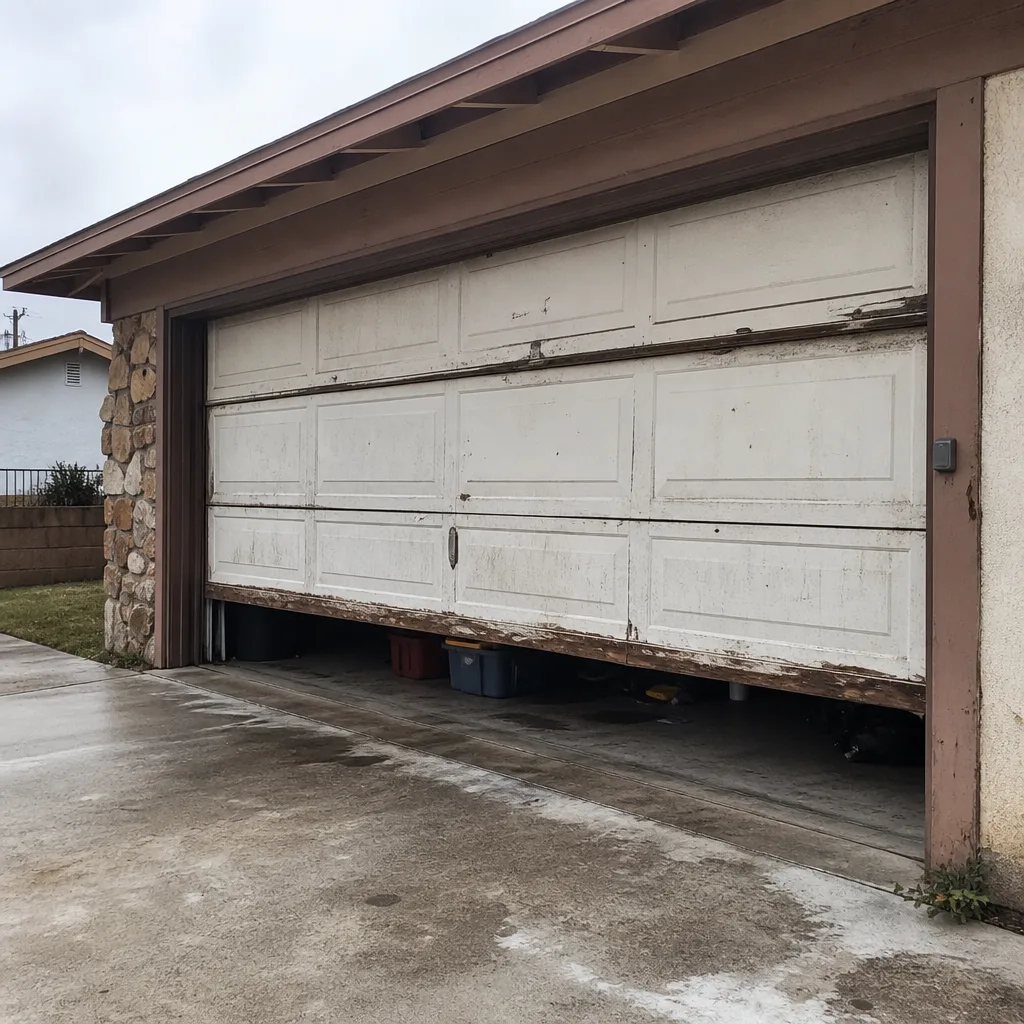 Before
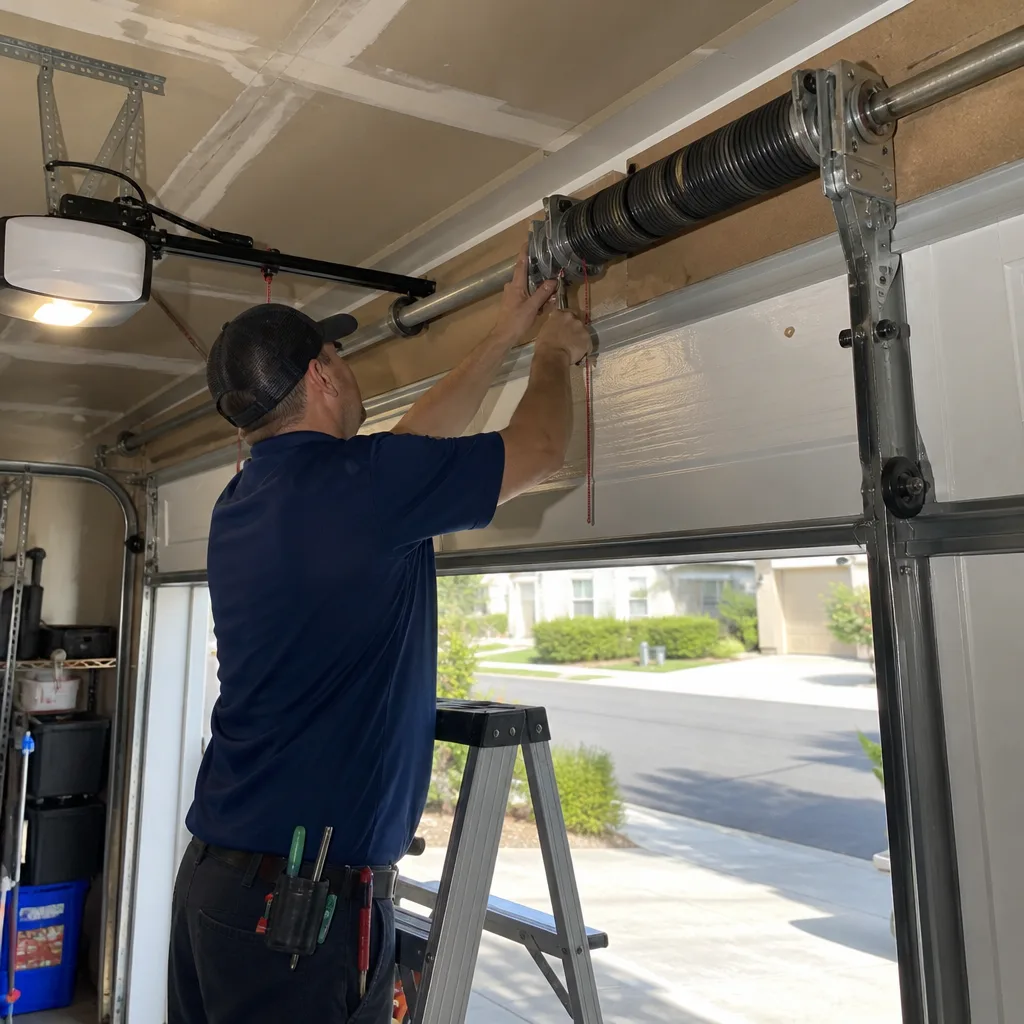 After
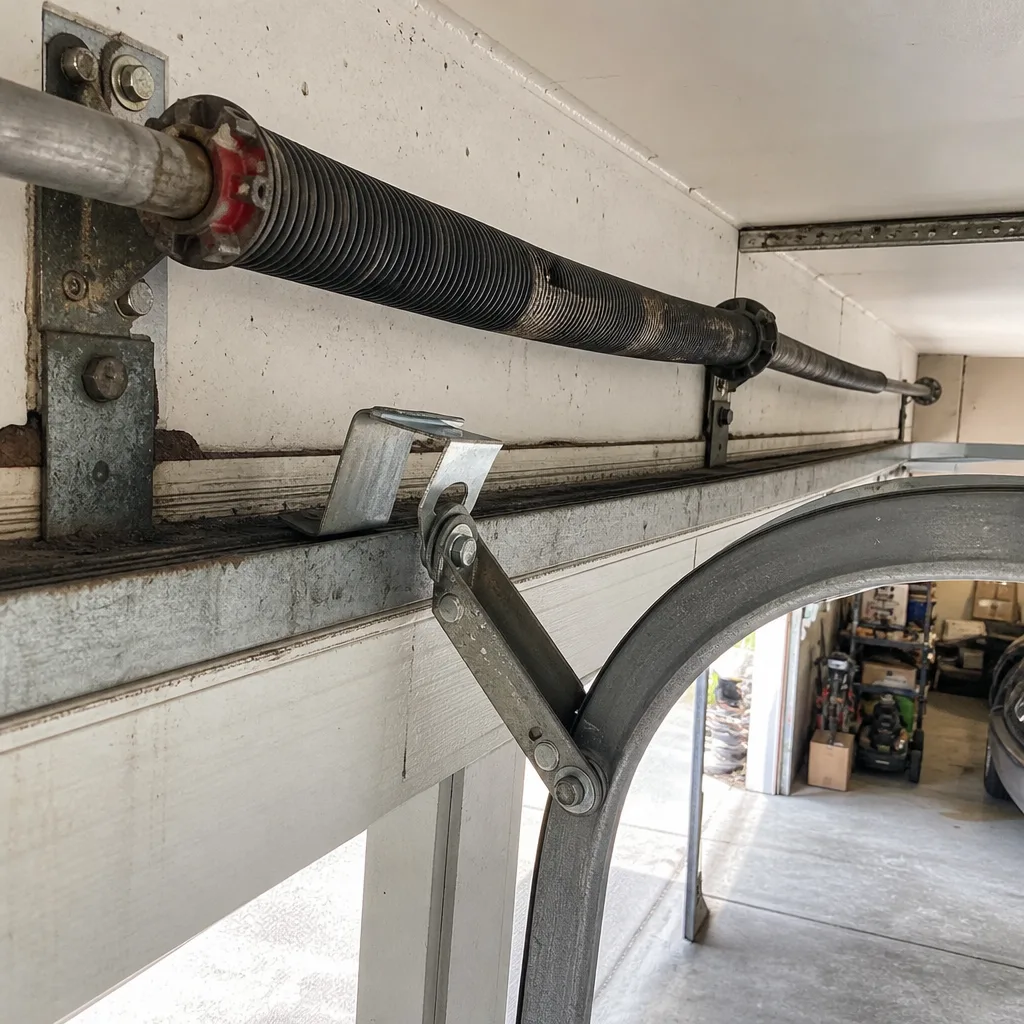 Before
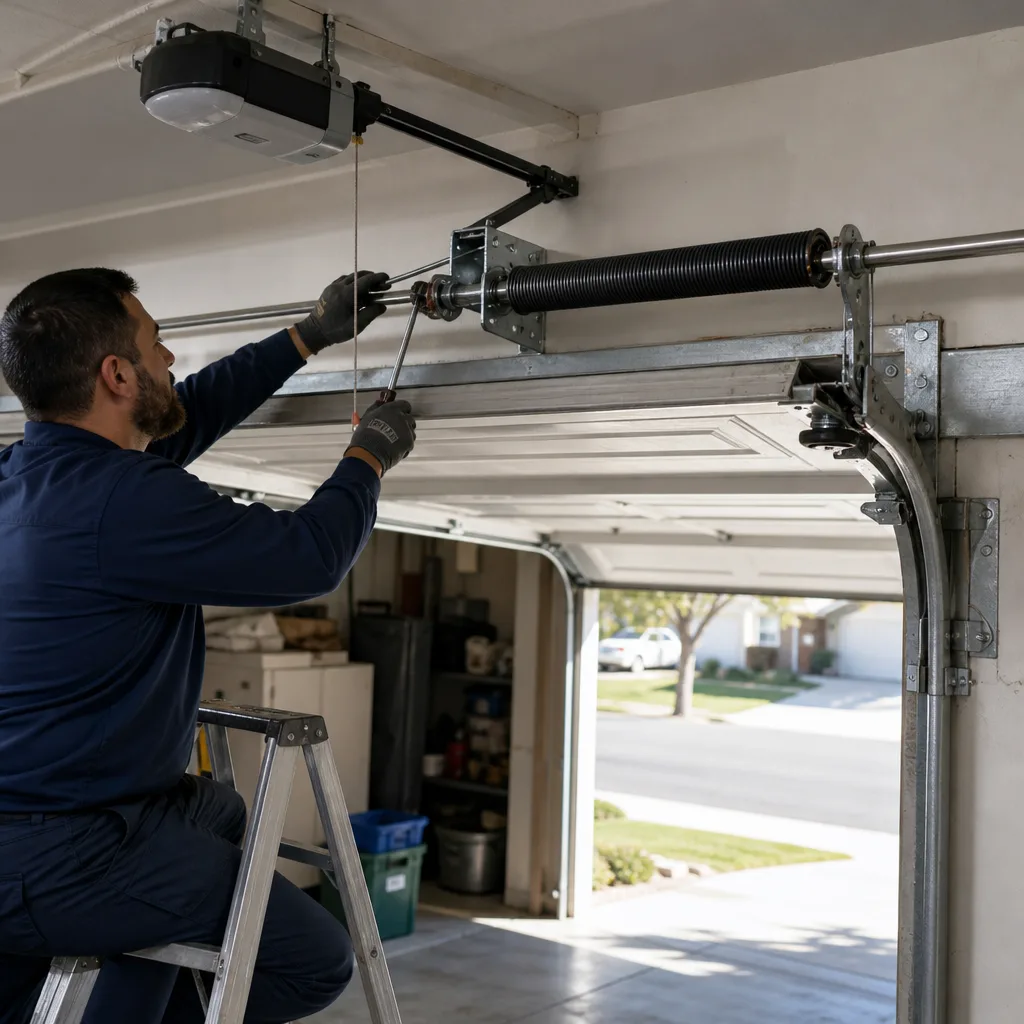 After
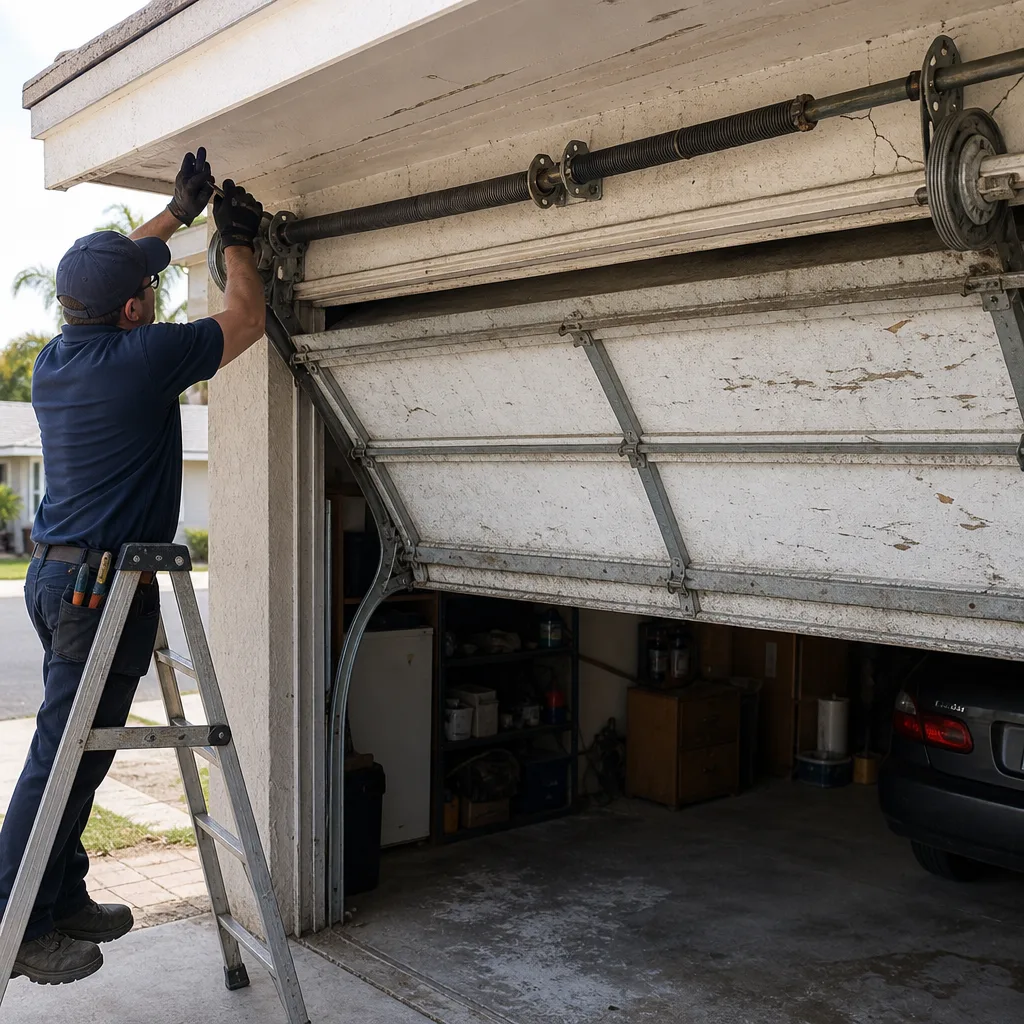 Before
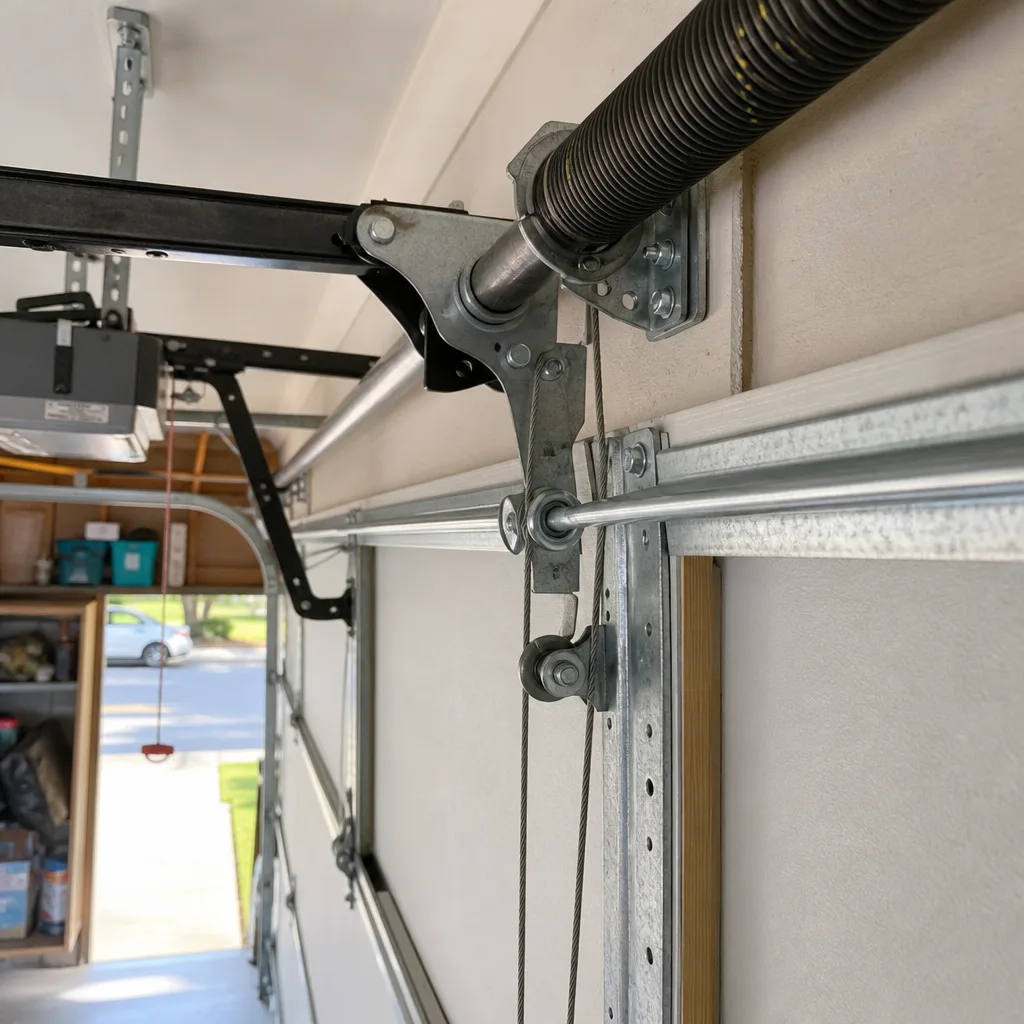 After